
ABSTRACT
Introduction and objectives: There is no widely accepted protocol for topical analgesia before local anesthetic infiltration during radial artery cannulation. This study evaluated the association between 2 topical analgesic strategies and pain intensity during local anesthetic infiltration (time point 1) and after arterial sheath insertion (time point 2).
Methods: This was a prospective, observational, nonrandomized study. Patients were assigned to 3 groups: analgesic cream (n = 71), cold spray (n = 74) and control (n = 70). Pain was assessed using a visual analogue scale (VAS). Demographic and clinical variables potentially associated with pain intensity were recorded.
Results: Between August 2024 and January 2025, a total of 215 patients were included. At time point 1, the mean VAS score was 4.37 ± 2.0 in the control group, 3.61 ± 1.7 in the cream group and 3.12 ± 1.5 in the cold spray group (P < .001). In the multivariate model, cream and cold spray were associated with adjusted reductions of 0.70 points (95%CI, −1.28 to −0.12; P = .017) and 1.22 points (95%CI, −1.79 to −0.65; P < .001). At time point 2, VAS scores were 3.54 ± 2.3, 2.41 ± 2.2 and 2.71 ± 2.0, respectively. Overall, 13.0% of patients experienced high-intensity pain, exploratorily defined as VAS ≥ 6, at time point 1; this finding was more frequent in the control group. The mean time from application to puncture was shorter with cold spray than with the cream.
Conclusions: Topical analgesic pretreatment was associated with lower pain intensity during radial artery cannulation. No statistically significant differences were observed between topical analgesic cream and cold spray. Cold spray required less application time and had a lower direct cost, which may facilitate its implementation in cath labs.
Keywords: Topical analgesia. Radial arterial access. Coronary angiography. Cold spray. Topical analgesic cream. Visual analog scale.
RESUMEN
Introducción y objetivos: No existe un protocolo ampliamente aceptado de pretratamiento analgésico tópico previo a la infiltración de anestésico local en la canalización arterial radial, una técnica que puede generar dolor. Este estudio evaluó la asociación de 2 tratamientos analgésicos tópicos con la intensidad del dolor durante la punción anestésica (momento 1) y tras la colocación del introductor arterial (momento 2).
Métodos: Estudio prospectivo, observacional y no aleatorizado. Se compararon 3 grupos con asignación secuencial: pomada analgésica (n = 71), espray frío (n = 74) y control (n = 70). El dolor se cuantificó mediante una escala visual analógica (EVA). Se recogieron variables demográficas y clínicas potencialmente relacionadas con la intensidad del dolor.
Resultados: Se incluyeron 215 pacientes entre agosto de 2024 y enero de 2025. En el momento 1, la EVA media fue de 4,37 ± 2,0 en el grupo control, 3,61 ± 1,7 con pomada y 3,12 ± 1,5 con espray frío (p < 0,001). En el modelo multivariado, la pomada y el espray frío se asociaron con reducciones ajustadas de 0,70 puntos (IC95%, −1,28 a −0,12; p = 0,017) y 1,22 puntos (IC95%, −1,79 a −0,65; p < 0,001), respectivamente. En el momento 2, las medias fueron 3,54 ± 2,3, 2,41 ± 2,2 y 2,71 ± 2,0, respectivamente. El 13,0% presentó dolor de intensidad elevada, definido de manera descriptiva como EVA ≥ 6, más frecuente en el grupo control. El tiempo medio hasta la punción fue menor con espray frío que con pomada.
Conclusiones: El pretratamiento con analgesia tópica se asoció con menor intensidad del dolor durante la canalización arterial radial. No se encontraron diferencias estadísticamente significativas entre la pomada analgésica y el espray frío. El espray frío requiere menor tiempo de aplicación y tiene menor coste directo, lo que puede facilitar su implementación en las unidades de hemodinámica.
Palabras clave: Analgesia tópica. Acceso vascular arterial. Intervencionismo coronario. Espray frío. Pomada analgésica. Escala visual analógica.
Abbreviations
VAS: visual analogue scale.
INTRODUCTION
Coronary angiography and percutaneous transluminal coronary angioplasty are widely performed via radial access, a technique which is associated with fewer vascular complications than femoral access.1 Arterial cannulation using the Seldinger technique requires an initial percutaneous puncture that may cause pain and trigger a sympathetic response. Several studies have evaluated the use of topical anesthesia to reduce pain during arterial puncture and radial access in interventional procedures, with inconsistent results.1-4 Some have reported significant pain reduction and a higher first- attempt cannulation success rate,2,4 whereas others have found no meaningful benefit in isolated diagnostic arterial punctures.5 Techniques such as cryotherapy or cold spray have likewise produced variable results across different vascular access settings.6,7
Although subcutaneous lidocaine infiltration remains standard practice for local pain control, it requires an additional puncture. Applying topical analgesia beforehand may reduce discomfort during anesthetic infiltration and subsequent arterial sheath placement. The aim of this study was to evaluate the association between 2 topical analgesic strategies—an analgesic cream and a cold spray—applied before radial arterial cannulation and the intensity of perceived pain measured using a validated visual analog scale (VAS).8
METHODS
Study design
We conducted a prospective, observational, nonrandomized study of pain perception in patients undergoing radial arterial cannulation in the cath lab. Although the protocol allowed either radial or ulnar access, all procedures in the final cohort were performed via radial access. Patients were enrolled in 3 consecutive cohorts according to the topical analgesic strategy used: analgesic cream (n = 71; 33.0%), cold spray (n = 74; 34.4%), or no pretreatment (n = 70; 32.6%). Enrollment was sequential by study period: the control group was included first, followed by the analgesic cream group, and then the cold spray group (figure 1). Because of the observational, nonrandomized design, this sequential allocation is an important methodological limitation of the study and precludes definitive causal inferences.
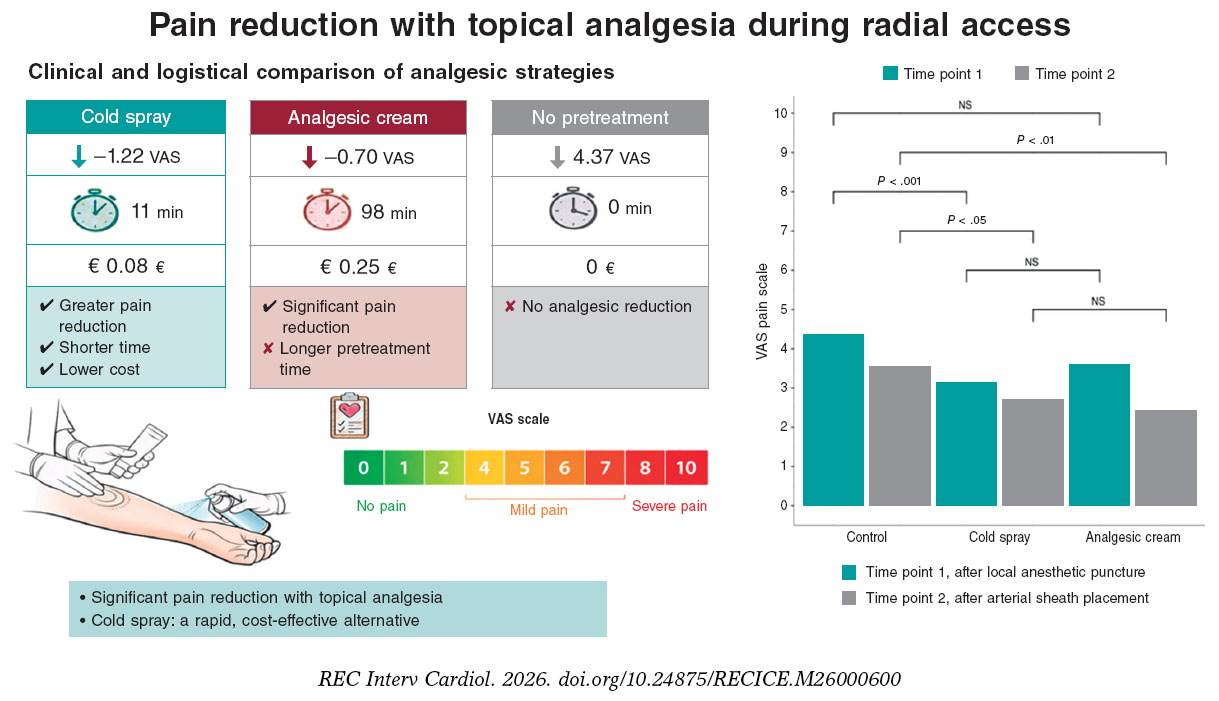
Figure 1. Central illustration. Comparison of 2 topical analgesic strategies for radial arterial access. CATDOL Study. NS, not significant; VAS, visual analog scale.
Pain was assessed using a linear VAS ranging from 0 to 10, with 0 indicating no pain and 10 the worst pain imaginable. Pain was categorized as mild (1-3), moderate (4-6), or severe (7-10). In addition, the proportion of patients with high-intensity pain, defined as VAS ≥ 6, was analyzed. Pain intensity was recorded at 2 time points: after puncture for subcutaneous anesthetic infiltration (time point 1) and after arterial sheath placement (time point 2) (figure 2).
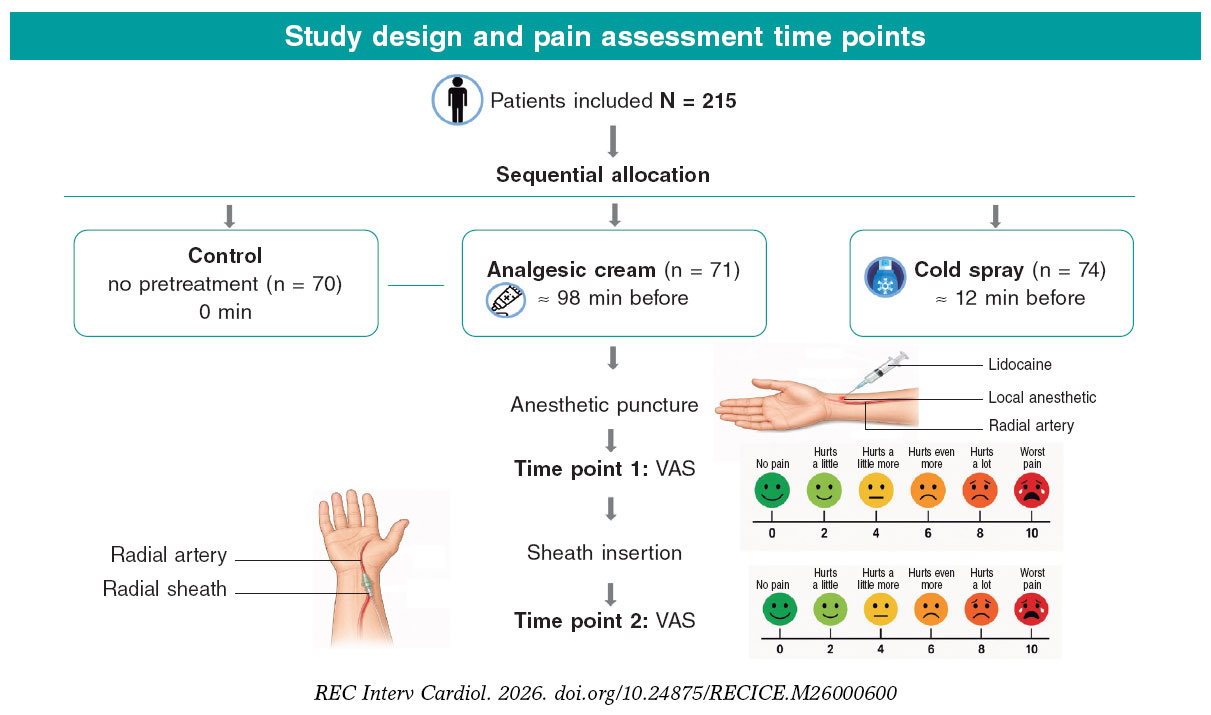
Figure 2. Study design and pain assessment sequence. VAS, visual analog scale.
Patient enrollment and data collection (figure S1) were performed by the same nurse, who served as a study subinvestigator.
The cost analysis associated with each strategy was descriptive and limited to the direct cost of materials used per patient, based on market prices in Spain at the time the first patient was enrollment. Indirect costs, staff time, structural costs, and the economic impact of cath lab organization were not included. The study was approved by the center’s Research Ethics Committee for Medicinal Products, which issued a favorable opinion on 25 June, 2024. All patients provided written informed consent before enrollment. The study was conducted in full compliance with the principles outlined in the Declaration of Helsinki.
Inclusion criteria
Eligible patients were adults aged ≥ 18 years undergoing elective diagnostic or interventional coronary procedures with successful right or left radial arterial vascular access.
Exclusion criteria
Exclusion criteria were inability to provide informed consent (eg, intubation, cognitive impairment or hemodynamic instability); intravenous sedation or analgesia before the procedure, skin lesions, edema, or hematoma at the puncture site, previous venous or arterial punctures in the same arm within the preceding 7 days; hypersensitivity to cold, lidocaine, prilocaine, or any excipient contained in the analgesic cream; and femoral vascular access.
Endpoints
Primary endpoint
The primary endpoint was to compare pain intensity measured using the VAS across the 3 pretreatment strategies used before radial arterial cannulation—analgesic cream, cold spray, and no pretreatment—at 2 time points: after puncture for subcutaneous anesthetic infiltration (time point 1) and after arterial sheath placement (time point 2) (figure 3).
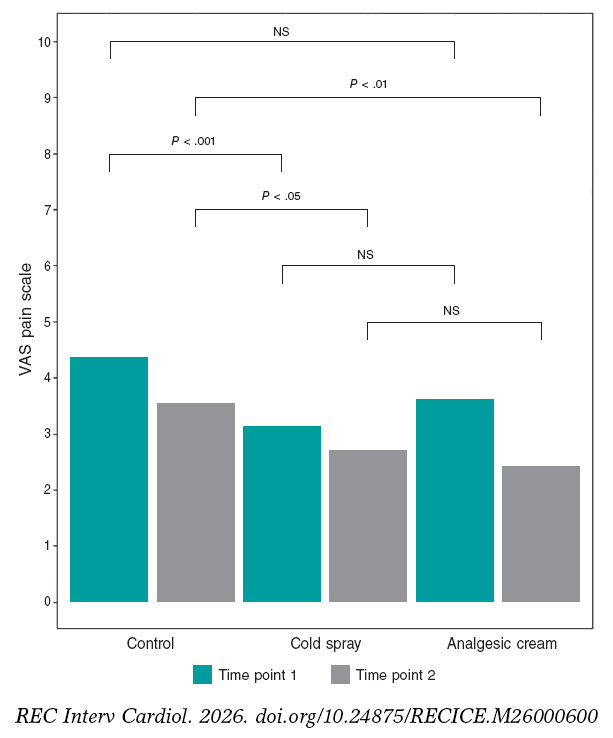
Figure 3. Comparison of topical analgesic strategies vs control at time points 1 and 2. NS, not significant; VAS, visual analog scale.
Secondary endpoint
The secondary endpoints were pain intensity with analgesic cream vs cold spray at both assessment time points, evaluate differences in the time required to apply each strategy before puncture, and describe the cost associated with each analgesic intervention.
Sample size
The sample size was calculated assuming a minimum clinically relevant difference of 0.5 VAS points between the analgesic cream and cold spray groups, with 80% statistical power and a 2-sided significance level of 5%. Allowing for a potential 10% loss to follow-up, the required sample size was estimated at 215 patients.
All patients were adequately informed and gave their written informed consent before enrollment.
Method of application of the topical analgesic cream
The same analgesic cream (EMLA) was used in all cases. Approximately 2 g was applied to the intended puncture site and covered with an occlusive dressing. The cream was left in place for at least 60 minutes before the procedure, but for no longer than 5 hours. The dressing was removed immediately before arterial cannulation.
Method of application of the cold spray
The same cold spray (PIC-ARTSANA) was used in all cases. Three short applications lasting 1-3 seconds each were administered at intervals of approximately 20 seconds between applications, without subsequent massage of the puncture site. After application, puncture was performed as soon as the usual preparation of the field had been completed, with no additional protocol-specified waiting period. Therefore, the recorded interval between spray application and puncture reflects both product application and the usual workflow of the cath lab.
Statistical analysis
Statistical analysis was performed using R software (version 4.5.1). Quantitative variables were expressed as mean and standard deviation, and qualitative variables as absolute frequencies and percentages. Descriptive tables were generated using the tableone package.
Pain intensity measured using the VAS was compared among the 3 groups using 1-way analysis of variance (ANOVA), after confirming the assumptions of normality and homogeneity of variances.
Univariate and multivariate linear regression models were used to assess the association between treatment strategy and pain intensity, as well as the influence of clinical variables. The multivariate model included age, sex, hypertension, diabetes, dyslipidemia, and smoking, which were available baseline variables potentially associated with pain perception or the patients’ clinical profile. Procedural variables including the number of puncture attempts, operator experience, technical difficulty, and ultrasound guidance, were not included because they were not systematically collected. By protocol, patients who had received intravenous sedation or analgesia before the procedure were excluded.
Graphical representations were generated using the ggplot2 and ggpubr packages, with between-group comparisons included when appropriate. P values < .05 were considered statistically significant.
RESULTS
A total of 215 patients were included: 70 (32.6%) in the untreated control group, 71 (33.0%) in the analgesic cream group, and 74 (34.4%) in the cold spray group. Baseline characteristics of the population are summarized in table 1. Most patients were men (155; 72.1%). Mean age was 65.08 ± 12.63 years in men and 68.10 ± 12.99 years in women.
Table 1. Baseline demographic and clinical characteristics of the patients included in the study
| Variables | Control | Cream | Cold spray | ||||
|---|---|---|---|---|---|---|---|
| n (%) | 70 (32.6) | 71 (33.0) | 74 (34.4) | ||||
| Female sex | 20 (28.6) | 17 (23.9) | 23 (31.1) | .625 | .665 | .883 | .438 |
| Age | 65.07 ± 13.8 | 65.90 ± 12.4 | 66.76 ± 12.2 | .733 | .708 | .439 | .676 |
| Hypertension | 49 (70.0) | 45 (63.4) | 49 (66.2) | .705 | .512 | .758 | .854 |
| Diabetes | 29 (41.4) | 30 (42.3) | 29 (39.2) | .927 | 1.000 | .917 | .836 |
| Dyslipidemia | 43 (61.4) | 47 (66.2) | 49 (66.2) | .790 | .679 | .671 | 1.000 |
| Smoking | 21 (30.0) | 19 (26.8) | 18 (24.3) | .744 | .810 | .563 | .884 |
| Right radial access | 32 (45.7) | 42 (59.2) | 39 (52.7) | .279 | .153 | .502 | .539 |
| Left radial access | 38 (54.3) | 29 (40.8) | 35 (47.3) | ||||
| Antiplatelet therapy | 55 (78.6) | 54 (76.1) | 53 (71.6) | .618 | .876 | .441 | .676 |
| Anticoagulant therapy | 3 (4.3) | 10 (14.1) | 5 (6.8) | .091 | .085 | .777 | .240 |
| VAS at time point 1 | 4.37 ± 2.0 | 3.61 ± 1.7 | 3.12 ± 1.5 | < .001 | .017 | < .001 | .069 |
| VAS at time point 2 | 3.54 ± 2.3 | 2.41 ± 2.2 | 2.71 ± 2.0 | .011 | .006 | .032 | .431 |
| Application time before puncture, min | 0.00 ± 0.00 | 97.87 ± 59.81 | 11.52 ± 4.15 | < .001 | < .001 | < .001 | < .001 |
|
SD, standard deviation; VAS, visual analog scale. (1), control; (2), analgesic cream; (3), cold spray. Data are expressed as n (%) or mean ± SD, as appropriate. |
|||||||
No significant differences in baseline characteristics were found between men and women, except for current smoking, which was mor prevalent in men (32.9% vs 11.7%; P = .003) (table S1). Pain assessment was available for all patients at time point 1, with no missing data for this variable. At time point 2, 12 assessments were missing (5.6%): 3/70 in the control group, 4/71 in the analgesic cream group, and 5/74 in the cold spray group. Missing assessments were due to clinical events or logistical difficulties that prevented VAS recording.
Pain intensity according to treatment groups (primary endpoint)
At time point 1, mean VAS was 4.37 ± 2.0 in the control group, 3.61 ± 1.7 in the analgesic cream group, and 3.12 ± 1.5 in the cold spray group (global P < .001).
In multivariate analysis, use of cold spray was associated with an adjusted 1.22-point reduction in VAS compared with the control group (95%CI, –1.79 to –0.65; P < .001). Furthermore, analgesic cream was associated with an adjusted 0.70-point reduction compared with the control group (95%CI, –1.28 to –0.12; P = .017) (table 2).
Table 2. Linear regression for visual analog scale score (time point 1)
| Variables | Coefficient (95%CI) | Adjusted coefficient (95%CI) | ||
|---|---|---|---|---|
| Analgesic cream treatment | –0.76 (–1.35 to –0.18) | .010 | –0.70 (–1.28 to –0.12) | .017 |
| Cold spray treatment | –1.25 (–1.82 to –0.67) | < .001 | –1.22 (–1.79 to –0.65) | < .001 |
| Male sex | –0.34 (–0.88 to 0.20) | .219 | –0.50 (–1.03 to 0.03) | .066 |
| Age | –0.01 (–0.03 to 0.003) | .095 | ||
| Hypertension | 0.22 (–0.30 to 0.74) | .401 | ||
| Diabetes | –0.28 (–0.78 to 0.21) | .266 | ||
| Dyslipidemia | 0.02 (–0.48 to 0.54) | .918 | ||
| Smoking | 0.54 (–0.001 to 1.09) | .050 | ||
|
95%CI, 95% confidence interval. The control group was the reference category. The multivariate model included age, sex, hypertension, diabetes, dyslipidemia, and smoking. |
||||
At time point 2, mean VAS was 3.54 ± 2.3 in the control group, 2.41 ± 2.2 in the analgesic cream group, and 2.71 ± 2.0 in the cold spray group (P = .011).
In the adjusted model, cold spray was associated with a 0.83-point reduction compared with the control group (95%CI, –1.59 to –0.07; P = .03), whereas analgesic cream was associated with a 1.13-point reduction (95%CI, –1.89 to –0.36; P = .004) (table 3).
Table 3. Linear regression for visual analog scale score (time point 2)
| Variables | Coefficient (95%CI) | p | Adjusted coefficient (95%CI) | p |
|---|---|---|---|---|
| Analgesic cream treatment | –1.13 (–1.89 to –0.37) | .004 | –1.11 (–1.87 to –0.35) | .004 |
| Cold spray treatment | –0.83 (–1.59 to –0.07) | .033 | –0.83 (–1.59 to –0.07) | .033 |
| Male sex | –0.62 (–1.32 to 0.07) | .079 | –0.75 (–1.46 to –0.05) | .035 |
| Age | –0.01 (–0.04 to 0.01) | .229 | ||
| Hypertension | 0.22 (–0.30 to 0.74) | .854 | ||
| Diabetes | –0.28 (–0.78 to 0.21) | .674 | ||
| Dyslipidemia | 0.23 (–0.44 to 0.90) | .494 | ||
| Smoking | 0.60 (–0.10 to 1.30) | .092 | ||
|
IC95%: intervalo de confianza del 95%. El grupo control fue la categoría de referencia. El modelo multivariante incluyó edad, sexo, hipertensión, diabetes, dislipemia y tabaquismo. |
||||
The distribution of VAS scores by treatment group at time points 1 and 2 is shown in box plots in figures S2 and S3, respectively.
Comparative efficacy of topical treatments (secondary endpoint)
No statistically significant differences were observed between the 2 topical analgesic treatment groups. At time point 1, mean VAS was numerically lower with cold spray than with analgesic cream (3.12 ± 1.5 vs 3.61 ± 1.7; P = .069). At time point 2, mean VAS was 2.71 ± 2.0 with cold spray and 2.41 ± 2.2 with analgesic cream (P = .431) (table 1).
The interval from application of topical analgesia to subcutaneous lidocaine administration was longer with analgesic cream group than with cold spray (97.9 ± 59.8 vs 11.5 ± 4.1 minutes; P < .001). This variable should be interpreted as a logistical parameter reflecting the study protocol and cath lab workflow rather than as a direct measure of analgesic efficacy. In the descriptive analysis of direct costs, the estimated mean material cost was €0.25 per patient for analgesic cream and €0.08 per patient for cold spray (table S2).
Response to topical analgesic treatment according to age
The descriptive analysis by age group is presented in table S3 and figure S4. Given the small size of some age subgroups, these findings should be considered exploratory. Overall, no consistent age-related pattern of differential response was observed.
High-intensity pain and treatment groups
At time point 1, 28 patients (13.0%) experienced high-intensity pain, descriptively defined as VAS ≥ 6. This proportion was higher in the control group (17/70; 24.3%) than in the analgesic cream group (7/71; 9.9%) and the cold spray group (4/74; 5.4%) (figure S5).
Among these 28 patients, mean pain intensity at time point 2 was lower in all 3 groups: 5.69 ± 1.85 in the control group, 5.60 ± 1.52 in the analgesic cream group, and 4.50 ± 1.00 in the cold spray group (table S4).
Multivariate models of pain intensity
In the multivariate models, both topical strategies were associated with lower VAS scores than the control group. At time point 1, the adjusted reduction was –0.70 points with analgesic cream and –1.22 points with cold spray (table 2). At time point 2, the adjusted reductions were –1.11 points with analgesic cream and –0.83 points with cold spray (table 3). Male sex was associated with a lower VAS score at time point 2, although this exploratory finding should be interpreted cautiously.
DISCUSSION
This study compared the association of 2 topical analgesic strategies —lidocaine/prilocaine cream and cold spray—vs no treatment with the intensity of perceived pain during radial arterial cannulation for diagnostic and interventional coronary procedures. Pain was assessed using the VAS, a widely validated tool for quantitative pain assessment in adults.8
Both topical strategies were associated with lower pain intensity compared with no pretreatment. During subcutaneous anesthetic infiltration (time point 1), cold spray was associated with a numerically greater adjusted reduction in pain vs control, whereas after arterial sheath placement (time point 2), the reduction was numerically greater with analgesic cream. However, direct comparison between analgesic cream and cold spray showed no statistically significant differences; therefore, these findings do not establish the superiority of either topical treatment.
The topical combination of lidocaine and prilocaine has demonstrated analgesic efficacy in numerous cutaneous procedures and vascular punctures. Studies of arterial blood gas sampling and other vascular access procedures have nevertheless reported variable results regarding its analgesic benefit.6 Similarly, Youn et al.1 observed a significant reduction in pain during vascular procedures with topical anesthesia, supporting the usefulness of these strategies in invasive settings.
Regarding cryotherapy, Çelik et al.7 reported greater efficacy of lidocaine/prilocaine cream than refrigerant spray during repeated arteriovenous fistula puncture in patients undergoing hemodialysis. In our study, cold spray produced a numerically greater reduction vs control at the initial anesthetic infiltration, although it was not statistical superior to analgesic cream. Differences between studies may reflect variations in patient populations, type of vascular access, or clinical setting.
Kortobi et al.6 found that both cryotherapy and lidocaine/prilocaine significantly reduced pain during arteriovenous fistula puncture, with no clinically relevant differences between the 2 techniques, which are findings consistent with our overall results.
From a physiological perspective, topical cryotherapy reduces peripheral nerve conduction velocity and induces transient superficial vasoconstriction, thereby decreasing transmission of painful stimuli. Its effect is nearly immediate, which may contribute to the reduction in pain observed vs control during the initial stage of the procedure.
The mean magnitude of the effect was moderate, with adjusted reductions of approximately 0.7 to 1.2 VAS points during anesthetic infiltration and smaller reductions after sheath placement. These findings should therefore be interpreted as a modest reduction in mean perceived intensity rather than elimination of pain. However, the analysis of high-intensity pain, descriptively defined as VAS ≥ 6, showed a lower proportion of patients with substantial pain in the treated groups, which may be more clinically relevant from the patient-experience perspective. From a practical standpoint, analgesic cream requires a minimum application time of 60 minutes, which may limit its use in cath labs with dynamic scheduling. The shorter interval between application and puncture with cold spray should be regarded as a logistical advantage rather than evidence of greater analgesic efficacy. Whereas the cream requires a minimum period of skin contact before the procedure, cold spray is applied immediately before puncture; therefore, the difference in timing primarily reflects organizational aspects of the protocol and routine cath lab workflow. Furthermore, cold spray had a lower direct cost per patient, although the economic analysis was descriptive and did not include indirect costs.
Study limitations
This study has several limitations. First, its observational, nonrandomized design with sequential allocation by enrollment periods may have introduced temporal bias, changes in clinical practice, and a potential learning-curve effect, particularly because the cold spray group was enrolled during the final study period. Although the recorded baseline characteristics were comparable among groups, residual confounding cannot be excluded. Therefore, the findings should be interpreted as associations rather than definitive causality.
Second, the study was not blinded. Neither the patients nor the personnel responsible for VAS assessment and data collection were blinded to treatment allocation, and neither placebo cream nor placebo spray was used. Because pain is inherently subjective, expectation or measurement bias cannot be excluded.
Moreover, VAS assessments were performed by study personnel rather than by independent blinded assessors. Given the subjective nature of pain, this may have introduced measurement or expectation bias.
Third, procedural variables that could directly influence pain perception—including operator experience, number of puncture attempts, technical difficulty of cannulation, and ultrasound guidance—were not systematically collected. Although these variables could have influenced VAS scores, they could not be included in the multivariate analysis, remaining a potential source of residual confounding.
Moreover, the study did not assess other strategies that may reduce pain during local anesthetic infiltration, such as buffering lidocaine with bicarbonate or warming the anesthetic. These measures could have influenced pain perception during infiltration and represent additional unmeasured confounding.
Enrollment was restricted to elective procedures because of the application time required for the analgesic cream, which may limit the generalizability of the findings to patients undergoing emergency procedures. In addition, although topical cryotherapy may induce transient superficial vasoconstriction, the study did not systematically evaluate whether cold spray affected the technical difficulty of radial puncture, the number of puncture attempts, or first-attempt success. Although no relevant clinical events attributable to cold spray were recorded, this aspect cannot be adequately assessed with the study design used. Finally, this was a single-center study conducted in a single cath lab. Therefore, extrapolation of the findings to centers with different workflows, staff experience, or radial access protocols should be made cautiously.
Although missing data at time point 2 were limited and similarly distributed among the groups, no specific analysis was performed to assess whether the missingness occurred at random; therefore, information bias cannot be completely excluded.
CONCLUSIONS
In this prospective, observational, nonrandomized study, topical analgesia was associated with lower pain intensity during radial arterial cannulation for diagnostic and interventional coronary procedures. The mean reduction in pain was moderate, although high-intensity pain was less frequent in the treated groups. No statistically significant differences were observed between analgesic cream and cold spray. However, cold spray offered logistical advantages, including a shorter application time and a lower direct cost per patient. These findings should be interpreted as associations and require confirmation in randomized studies, ideally incorporating blinded assessment and systematic collection of procedural variables.
FUNDING
This study was funded by CIBERCV CB16/11/00385.
ETHICAL CONSIDERATIONS
The study was approved by the Research Ethics Committee for Medicinal Products of the center where it was conducted, which issued a favorable opinion on 25 June 2024. All patients gave their written informed consent before enrollment. The study was conducted in full compliance with the principles outlined in the Declaration of Helsinki. The SAGER guidelines regarding potential sex/gender bias were considered by recording sex and exploring baseline and pain-related differences between women and men.
STATEMENT ON THE USE OF ARTIFICIAL INTELLIGENCE
During preparation of this work, the authors used ChatGPT, from OpenAI, as a support tool for the preparation of graphical elements. The tool was not used for statistical analysis, data generation, interpretation of the results, or formulation of the scientific conclusions. Following its use, the authors critically reviewed and edited all content, verified the accuracy of the data, and assume full responsibility for the final content of the publication.
AUTHORS’ CONTRIBUTIONS
M. Roldán-Medina participated in the conception and design of the study, data acquisition, analysis and interpretation, and drafting of the manuscript. P. Barrial Marcos participated in the conception and design of the study, data acquisition, analysis and interpretation, and critical revision of the manuscript. J. Gómez Carrillo participated in the conception and design of the study, data acquisition, analysis and interpretation, and critical revision of the manuscript. V. Shumbar Samkohvalov participated in the conception and design of the study, data analysis and interpretation, and critical revision of the manuscript. A. Riquelme-Pérez participated in the methodological design of the study and planning of data acquisition. J.R. Gimeno participated in the conception, design, and supervision of the study, data acquisition, analysis and interpretation, drafting and critical revision of the manuscript, and final approval. D. Pascual-Figal participated in the conception, design, and supervision of the study, data acquisition, analysis and interpretation, drafting and critical revision of the manuscript, and final approval.
CONFLICTS OF INTEREST
The authors declared no conflicts of interest whatsoever.
ACKNOWLEDGMENTS
The authors wish to thank the colleagues from the Department of Cardiology at Hospital Clínico Universitario Virgen de la Arrixaca, as well as the staff of Instituto Murciano de Investigación Biosanitaria Pascual Parrilla and Universidad de Murcia (Murcia, Spain), whose collaboration was essential to the completion of this study.
WHAT IS KNOWN ABOUT THE TOPIC?
- Radial arterial cannulation for coronary procedures requires puncture for local anesthetic infiltration followed by arterial sheath placement, which may cause pain.
- Topical analgesic methods, such as lidocaine/prilocaine cream and cold spray, have been shown to reduce pain during cutaneous procedures and vascular punctures.
- No standardized protocol has been established for the routine use of topical analgesia before arterial access in coronary intervention.
WHAT DOES THIS STUDY ADD?
- This study prospectively compares 2 topical analgesic strategies with no pretreatment in patients undergoing radial arterial access.
- Both topical strategies were associated with lower pain intensity compared with no pretreatment.
- No statistically significant differences were observed between cold spray and analgesic cream; however, cold spray requires a shorter application time and has a lower direct cost.
SUPPLEMENTARY DATA

REFERENCES
1. Youn YJ, Kim WT, Lee JW, et al. Eutectic mixture of local anesthesia cream can reduce both radial pain and sympathetic response during transradial coronary angiography. Korean Circ J. 2011;41:726-732.
2. Pirat A, Tanriverdi B, Gucyetmez B, et al. Topical EMLA cream versus prilocaine infiltration for pediatric cardiac catheterization. J Cardiothorac Vasc Anesth. 2005;19:574-578.
3. Yasuo S, Hayashi M, Suda C, et al. Efficacy of local anesthesia for radial artery puncture pain:a systematic review and network meta-analysis. Cureus. 2024;16:e64682.
4. Joly LM, Veyckemans F, Dubois M, et al. Topical lidocaine-prilocaine cream versus lidocaine infiltration for radial artery cannulation. Br J Anaesth. 1998;80:198-201.
5. Godoy DA, Di Napoli M, Rabinstein AA, et al. Acción de la pomada anestésica EMLA en gasometrías arteriales. Rev Soc Esp Dolor. 2010;17:120-125.
6. Kortobi L, Belymam H, Chkairi N, et al. Management of pain at arteriovenous fistula puncture:cryotherapy versus lidocaine/prilocaine. Saudi J Kidney Dis Transpl. 2020;31:597-603.
7. Çelik G, Özbek O, Yılmaz M, et al. Vapocoolant spray vs lidocaine/prilocaine cream for reducing the pain of venipuncture in hemodialysis patients:a randomized, placebo-controlled, crossover study. Int J Med Sci. 2011;8:623-627.
8. Hawker GA, Mian S, Kendzerska T, French M. Measures of adult pain:Visual Analog Scale for Pain (VAS Pain), Numeric Rating Scale (NRS Pain), McGill Pain Questionnaire (MPQ), Short-Form McGill Pain Questionnaire (SF-MPQ), Chronic Pain Grade Scale (CPGS), Short Form-36 Bodily Pain Scale (SF-36 BPS), and Measure of Intermittent and Constant Osteoarthritis Pain (ICOAP). Arthritis Care Res (Hoboken). 2011;63(s11):S240-S252.