
ABSTRACT
Introduction and objectives: The Interventional Cardiology Association of the Spanish Society of Cardiology (ACI-SEC) and the Interventional Working Group of the Spanish Society of Pediatric Cardiology (GTH-SECPCC) introduce their annual report on interventional activity in congenital heart diseases in 2024.
Methods: Spanish centers with cath labs performing interventional procedures for congenital heart disease were invited to participate. Data were collected through an online platform and analyzed by an external company in collaboration with members of the ACI-SEC and GTH-SECPCC.
Results: A total of 22 cath lab units from 17 public and 3 private hospitals participated in the registry. Furthermore, the analysis included data on interventional procedures for adult congenital heart disease performed at an additional 98 adult cardiology units reporting activity in congenital heart disease. These units were among the 118 hospitals participating in the 2024 Spanish cardiac catheterization in congenital heart diseases registry of the ACI-SEC. A total of 1888 diagnostic studies were recorded, representing a 67.5% increase compared with 2023, as well as 3711 interventional catheterizations, representing a 3.8% decrease. Of these procedures, 2287 (61.6%) were performed in patients older than 18 years, representing a 6.2% decrease compared with 2023. The most frequent procedures were patent foramen ovale closure (1392 cases) and atrial septal defect closure (641 cases), followed by patent ductus arteriosus closure (368 cases), pulmonary artery branch angioplasty (236 cases), angioplasty for aortic coarctation (172 cases), transcatheter pulmonary valve implantation (160 cases), and ventricular septal defect closure (84 cases). Among procedures for which outcomes were reported, the success rate was 96.9%, the major complication rate was 1.9%, and the in-hospital mortality rate was 0.3%.
Keywords: Congenital heart diseases. Cardiac catheterization. Interventional cardiology. Interventional registry.
RESUMEN
Introducción y objetivos: La Asociación de Cardiología Intervencionista de la Sociedad Española de Cardiología (ACI-SEC) y el Grupo de Trabajo de Hemodinámica de la Sociedad Española de Cardiología Pediátrica y Cardiopatías Congénitas (GTH-SECPCC) presentan su informe anual de actividad hemodinámica en cardiopatías congénitas correspondiente al año 2024.
Métodos: Se invitó a participar a los centros españoles con laboratorio de hemodinámica y actividad intervencionista en cardiopatías congénitas. Los datos se recogieron mediante una plataforma telemática y su análisis lo realizó una empresa externa en colaboración con miembros de la ACI-SEC y el GTH-SECPCC.
Resultados: Participaron en el registro 22 unidades de hemodinámica que corresponden a 17 hospitales públicos y 3 privados. Se incorporaron al análisis los datos de intervencionismo en cardiopatías congénitas del adulto aportados por otras 98 unidades de adultos que registraron algún tipo de actividad en enfermedades congénitas, de los 118 hospitales participantes en el registro de hemodinámica y cardiología intervencionista de la ACI-SEC del año 2024. Se registraron 1.888 estudios diagnósticos (un 67,5% más que en 2023) y 3.711 cateterismos intervencionistas (un 3,8% menos que en 2023), de los que 2.287 (61,6%) se realizaron en mayores de 18 años (un 6,2% menos que en 2023). Los procedimientos más frecuentes fueron los cierres de foramen oval permeable (1.392 casos) y de comunicación interauricular (641), seguidos del cierre de ductus persistente (368), la angioplastia de ramas pulmonares (236), la angioplastia de la coartación de aorta (172), el implante de válvula pulmonar percutánea (160) y el cierre de comunicación interventricular (84). El porcentaje de éxito en los procedimientos intervencionistas en que se notificó fue del 96,9%, con una tasa de complicaciones mayores del 1,9% y una mortalidad intrahospitalaria del 0,3%.
Conclusiones: Todas las técnicas intervencionistas han mostrado excelentes resultados de seguridad y eficacia, y ha habido una ligera reducción del volumen global de procedimientos intervencionistas respecto a 2023.
Palabras clave: Cardiopatías congénitas. Cateterismo cardiaco. Cardiología intervencionista. Registro de hemodinámica.
Abbreviations
ACI-SEC: Interventional Cardiology Association of the Spanish Society of Cardiology. ASD: atrial septal defect. GTH-SECPCC: Interventional Working Group of the Spanish Society of Pediatric Cardiology . PFO: patent foramen ovale. VSD: ventricular septal defect.
INTRODUCTION
This report presents hemodynamic and interventional activity in congenital heart disease in Spain in 2024. Although these data are derived from voluntary participation in a survey conducted for more than a decade by the Interventional Working Group of the Spanish Society of Pediatric Cardiology (GTH-SECPCC), its results have only been published since 2020.1-4
In 2020, as a result of collaboration between the Interventional Cardiology Association of the Spanish Society of Cardiology (ACI-SEC) and the GTH-SECPCC, participation was broadened and the results began to be systematically disseminated, leading to the annual publication of the registry. Initially, a total of 12–15 tertiary referral centers participated. These centers were highly representative of pediatric activity but not of overall congenital heart disease activity. Therefore, from 2022 onward, data from adult units participating in the ACI-SEC registry were included, allowing a more accurate estimate of the actual volume of hemodynamic procedures for congenital heart disease across all age groups, with procedures in adults becoming increasingly prevalent.3,4 The results of this edition were presented on 6 June, 2025, at the ACI-SEC congress held in Santiago de Compostela (A Coruña, Spain) (figure 1).
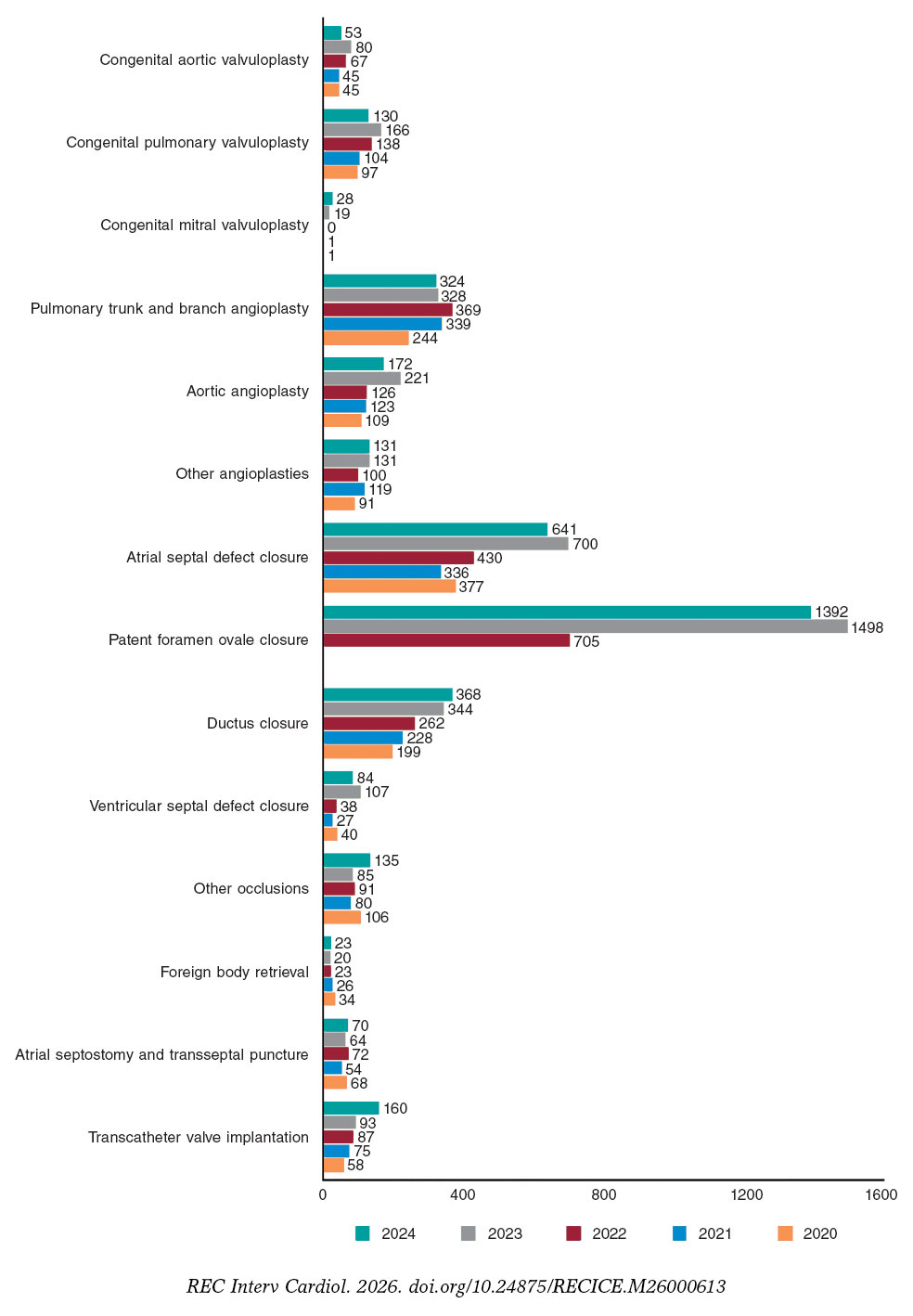
Figure 1. Comparison of the number of interventional procedures during the 2020-2024 period.
METHODS
This retrospective, unaudited registry is based on the voluntary submission of data on congenital heart disease procedures from hospitals represented in the GTH-SECPCC, as well as from other hospitals already participating in the ACI-SEC Spanish Cardiac Catheterization in Congenital Heart Diseases Registry.
Each center enters information on its activity, resource use, and outcomes into an electronic database managed by an external company (pInvestiga, Spain). No variables are mandatory, and each center voluntarily provides the data available to it. Data analysis is performed by the same external company in direct collaboration with members of the GTH-SECPCC and the ACI-SEC board. Inconsistent data are reviewed and cross-checked to improve the quality of the publication.
Both absolute (n) and relative (%) data are presented. When data are not available from all centers, percentages are calculated based on the total number of centers that provided the corresponding variable. Year-to-year comparisons are descriptive, and no hypothesis- testing procedures are performed.
Given the methodological characteristics of the study and because this is solely an activity registry, neither ethics committee approval nor informed consent was required.
RESULTS
Resources and infrastructure
In 2024, a total of 22 cath labs from 20 hospitals participated (2 centers provided separate data for their pediatric and adult sections), which is 1 more hospital compared with 2023. Of these hospitals, 17 belonged to the public health care network and 3 were private (table S1). In addition, data on interventional procedures for congenital heart disease provided by another 98 of the 118 adult units participating in the 2024 ACI-SEC Spanish Cardiac Catheterization in Congenital Heart Diseases Registry were included in the analysis.5
A total of 39 cath labs routinely performing interventional procedures for congenital heart disease were recorded. Of these, 8 (20.5%) were exclusively pediatric and 23 (59%) were shared for pediatric and adult activity. A total of 11 cath labs (28.2%) had digital imaging, 10 (25.6%) had biplane systems, and 11 (28.2%) used rotational angiography. A median of 12 (1–20) days per month per cath lab were devoted to congenital heart disease interventions, compared with 7 days in 2023. A total of 16 cath labs (72% of the total) provided 24-hour emergency catheterization services, including pediatric emergencies in 14 cath labs at 13 hospitals.
Regarding medical staffing, a total of 70 interventional cardiologists dedicated to this activity were reported, of whom 43 (61.4%) were adult interventional cardiologists and 27 (38.5%) were pediatric interventional cardiologists.
Diagnostic procedures
A total of 1888 diagnostic studies were recorded, representing a 67.5% increase compared with 2023, mainly attributable to the incorporation of activity from the ACI-SEC registry.5 Distribution by age group was as follows: 19 (1%) procedures were performed in infants younger than 1 month, 102 (5.4%) in patients aged between 1 month and 1 year, 627 (33.2%) in patients aged 1 to 18 years, and 1140 (60.4%) in patients older than 18 years. Of this activity in adults, 66% was reported in the ACI-SEC survey5 and corresponded to a large number of cath labs, since only 11 cath labs performed > 30 diagnostic procedures in adults.
A total of 60 procedures (3.2%) were classified as emergency procedures. Regarding morbidity, 14 cases (0.7%) of serious complications were reported: 1 cardiac tamponade, 1 severe pericardial effusion without tamponade, 1 hemothorax related to jugular vascular access, 1 cardiac arrest, 6 vascular complications, and 3 other unspecified events. No neurological complications were reported. Only 1 catheterization-related death was reported (0.05%).
Interventional procedures
A total of 3711 therapeutic catheterizations were reported, 3.8% fewer than 2023. These were grouped into 15 categories, and their case volume and age distribution are shown in figure 2 and table 1. Overall, a total of 2287 procedures were performed in patients older than 18 years, of which 1805 (78.9%) derived from the incorporation of data from the ACI-SEC Spanish Cardiac Catheterization in Congenital Heart Diseases Registry (table 2).
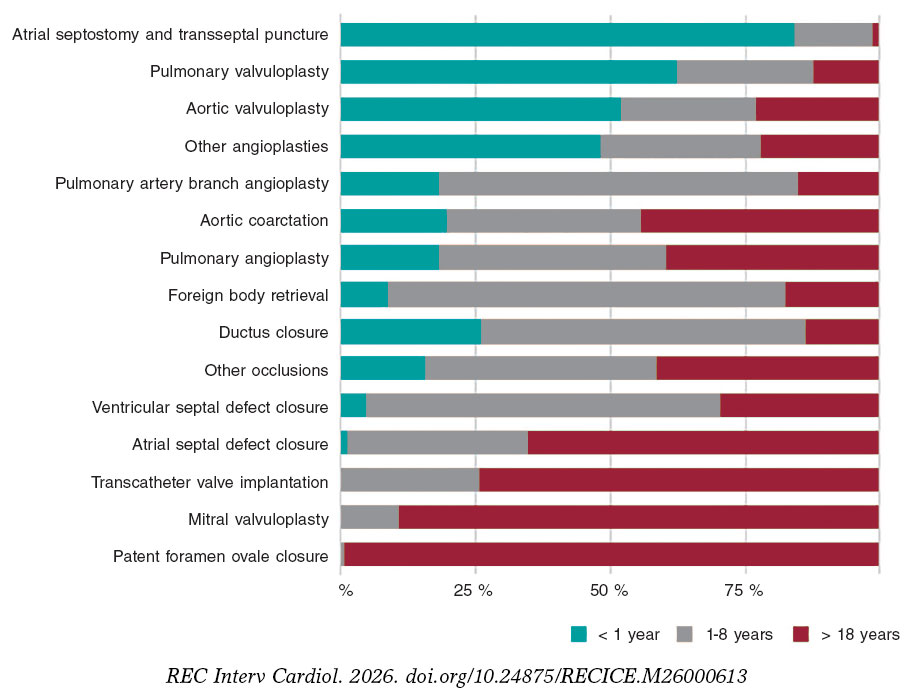
Figure 2. Distribution of interventional procedures by age group.
Table 1. Number of procedures and distribution by age group
| Procedures | Fetal | < 1 month | 1 month–1 year | 1–18 years | > 18 years | Total |
|---|---|---|---|---|---|---|
| Interventional procedures | 1 (0.02) | 185 (5) | 270 (7.3) | 967 (26) | 2287 (61.6) | 3711 |
| Congenital aortic valvuloplasty | 1 (1.9) | 14 (26.4) | 13 (24.5) | 13 (24.5) | 12 (22.6) | 53 |
| Congenital pulmonary valvuloplasty | – | 35 (26.9) | 46 (35.4) | 33 (25.4) | 16 (12.3) | 130 |
| Congenital mitral valvuloplasty | – | 0 | 1 (3.5) | 2 (7.1) | 25 (89.3) | 28 |
| Pulmonary angioplasty | – | 7 (7.9) | 9 (10.2) | 37 (42.1) | 35 (39.8) | 88 |
| Pulmonary artery branch angioplasty | – | 7 (3) | 36 (15.2) | 157 (66.5) | 36 (15.3) | 236 |
| Aortic coarctation | – | 3 (1.8) | 31 (18) | 62 (36) | 76 (44.2) | 172 |
| Other angioplasties | – | 43 (32.7) | 20 (15.3) | 39 (29.9) | 29 (22.1) | 131 |
| Atrial septal defect closure | – | 0 | 8 (1.2) | 214 (33.4) | 419 (65.4) | 641 |
| Patent foramen ovale closure | – | 0 | 0 | 8 (0.6) | 1384 (99.4) | 1392 |
| Ductus closurea | 23 (6.2) | 29 (8) | 44 (12) | 221 (60) | 51 (13.8) | 368 |
| Ventricular septal defect closure | – | 0 | 4 (4.7) | 56 (66.7) | 24 (28.6) | 84 |
| Other occlusions | – | 4 (3) | 17 (12.5) | 58 (43) | 56 (41.5) | 135 |
| Foreign body retrieval | – | 1 (4.4) | 1 (4.4) | 17 (73.9) | 4 (17.3) | 23 |
| Atrial septostomy and transseptal puncture | – | 48 (68.6) | 11 (15.7) | 10 (14.3) | 1 (1.4) | 70 |
| Transcatheter valve implantation | – | 0 | 0 | 41 (25.9) | 119 (74.1) | 160 |
|
a For ductus closure, the groups are premature infants (fetal), < 6 months (< 1 month), and 6 months to 1 year (1 month to 1 year). Data are expressed as no. (%). |
||||||
Table 2. Number of interventional catheterizations in patients older than 18 years and distribution by source registry
| Procedures | Total | RICCa | RHCIb |
|---|---|---|---|
| Congenital aortic valvuloplasty | 12 | 10 (83.3) | 2 (16.7) |
| Congenital pulmonary valvuloplasty | 16 | 7 (43.8) | 9 (56.2) |
| Congenital mitral valvuloplasty | 25 | 0 | 25 (100) |
| Pulmonary angioplasty | 35 | 21 (60) | 14 (40) |
| Pulmonary artery branch angioplasty | 36 | 25 (69.4) | 11 (30.6) |
| Aortic coarctation | 76 | 36 (47.4) | 40 (53.6) |
| Other angioplasties | 29 | 20 (69) | 9 (31) |
| Atrial septal defect closure | 419 | 91 (21.7) | 328 (78.3) |
| Patent foramen ovale closure | 1384 | 149 (10.8) | 1235 (89.2) |
| Ductus closure | 51 | 8 (15.7) | 43 (84.3) |
| Ventricular septal defect closure | 24 | 7 (29.2) | 17 (71.8) |
| Other occlusions | 56 | 28 (50) | 28 (50) |
| Foreign body retrieval | 4 | 4 (100) | 0 |
| Atrial septostomy and transseptal puncture | 1 | 1 (100) | 0 |
| Transcatheter valve implantation | 119 | 75 (63) | 44 (37) |
| Total | 2287 | 482 (21.1) | 1805 (78.9) |
|
RHCI, ACI-SEC Spanish Cardiac Catheterization in Congenital Heart Diseases Registry; RICC, GTH-SECPCC Interventional Procedures in Congenital Heart Diseases Registry. a Data provided by centers participating in the 2024 GTH-SECPCC Interventional Procedures in Congenital Heart Diseases Registry. b Data provided by centers to the 2024 ACI-SEC Spanish Cardiac Catheterization in Congenital Heart Diseases Registry. Data are expressed as no. (%). |
|||
A total of 119 catheterizations were classified as emergency procedures (3.2% of the total). In centers corresponding to the GTH-SECPCC, activity was distributed as follows: 5 cath labs (22.7%) recorded > 150 catheterizations, 4 (18.1%) recorded between 75 and 150 interventions, and 13 (59%) recorded < 75 procedures.
The volume of procedures for congenital heart disease, excluding patent foramen ovale (PFO) closure, in the 98 centers corresponding to the ACI-SEC registry was distributed as follows: 2 cath labs performed > 200 interventional catheterizations, 5 performed between 100 and 200 procedures, 6 performed between 50 and 100 interventions, and 87 performed < 50 procedures, 67 of them < 10.
The sum of procedures, excluding PFO closure, performed at the 10 cath labs designated as Centros, Servicios y Unidades de Referencia (CSUR) for complex congenital heart disease in pediatric or adult patients accounted for 38.6% of the activity. The overall reported effectiveness of the different interventional techniques was 96.9% (table 3).
Table 3. Summary of reported effectiveness of interventional procedures
| Procedures | Total | Cases with success or ineffectiveness dataa | Success | Ineffective |
|---|---|---|---|---|
| Congenital aortic valvuloplasty | 53 | 51 (96.2) | 48 (94.1) | 3 (5.9) |
| Congenital pulmonary valvuloplasty | 130 | 121 (93.1) | 108 (89.3) | 13 (10.7) |
| Congenital mitral valvuloplasty | 28 | 3 (10.7) | 3 (100) | 0 |
| Pulmonary angioplasty | 88 | 74 (84.1) | 69 (93.2) | 5 (6.8) |
| Pulmonary artery branch angioplasty | 236 | 222 (94.1) | 212 (95.5) | 10 (4.5) |
| Aortic coarctation | 172 | 130 (75.6) | 126 (96.9) | 4 (3.1) |
| Other angioplasties | 131 | 121 (93.9) | 114 (94.2) | 7 (5.8) |
| Atrial septal defect closure | 641 | 620 (96.7) | 606 (97.7) | 14 (2.3) |
| Patent foramen ovale closure | 1392 | 1270 (91.2) | 1258 (99.6) | 12 (0.4) |
| Ductus closure | 368 | 345 (93.7) | 343 (99.7) | 2 (0.3) |
| Ventricular septal defect closure | 84 | 71 (84.5) | 67 (94.4) | 4 (5.6) |
| Other occlusions | 135 | 105 (77.8) | 102 (97.1) | 3 (2.9) |
| Foreign body retrieval | 23 | 23 (100) | 20 (87) | 3 (13) |
| Atrial septostomy and transseptal puncture | 70 | 70 (100) | 70 (100) | 0 |
| Transcatheter valve implantation | 160 | 132 (82.5) | 111 (84.1) | 21 (15.9) |
| Total | 3711 | 3358 (90.5) | 3253 (96.9) | 105 (3.1) |
|
a Percentage of success or ineffectiveness calculated from the number of procedures for which these data were available. Data are expressed as no. (%). |
||||
Transcatheter valvuloplasty
A total of 53 aortic valvuloplasties for congenital aortic stenosis were reported, 36.2% fewer than 2023. Of these, 40 (75.5%) were performed in patients younger than 18 years, with patients younger than 1 year accounting for 51% of the total, and 1 case involved fetal valvuloplasty. Native valves that had not previously been treated were dilated in 83% of procedures.
A total of 130 pulmonary valvuloplasty procedures were recorded, 21.7% fewer than 2023, with 62.3% performed in patients younger than 1 year. Technical data were available for 121 cases: 105 (86.8%) involved native valves, of which 10 (9.5%) were imperforate, and ductal stent implantation was additionally performed in 8 of these cases.
Mitral valvuloplasty accounted for 28 cases, 47.4% more than in 2023. This increase was attributable to adult cases, since only 3 procedures were performed in patients younger than 18 years.
Transcatheter angioplasty
A total of 88 right ventricular outflow tract dilations were reported, 18.5% fewer than in 2023. Technical and anatomical data were reported for 74 (84.1%) procedures. Angioplasty of the native outflow tract was performed in 45.9%, whereas the remaining 54.1% involved a surgical conduit. Conventional balloon dilation was used in 47.3%, and a stent was implanted in 52.7%.
Pulmonary artery branch angioplasty accounted for a total of 236 procedures, 20.4% more than in 2023. The vast majority (90.2%) involved proximal branches, and only 9.8% involved peripheral arteries. Stents were implanted in 52.4% of cases, conventional balloon dilation was performed in 47.1%, and cutting-balloon dilation was exceptional (0.9%).
A total of 172 angioplasties for aortic coarctation were recorded, with anatomical information available in 132 (76.7%). Most procedures (60.6%) were reinterventions. The substrate for dilation was the aortic arch or isthmus in all but 5 cases: 4 abdominal aortic dilations and 1 ascending aortic dilation. Stents were implanted in 65%, with balloon dilation used in the remainder; 22% were redilations of previously implanted stents.
Finally, a total of 131 procedures were reported under the category of “other angioplasties,” with no change compared with the previous year. Of note, ductal dilation in 47 cases, 62.1% more than in 2023, and surgical shunt dilation in 9. Stent implantation was associated with 67.2% of these procedures.
Shunt closures and other occlusion procedures
In 2024, PFO closure accounted for 1392 procedures, 7.1% fewer than in 2023, of which 1325 (88.7%) derived from the incorporation of data collected in the ACI-SEC Spanish Cardiac Catheterization in Congenital Heart Diseases Registry (table 2). Patients older than 18 years accounted for 99.4% of the total for this technique.
A total of 641 atrial septal defect (ASD) closures were reported, 8.4% fewer than in 2023. Information on defect complexity and procedural imaging guidance was reported only in the GTH-SECPCC registry (48.9%). Complex defects accounted for 33.5%. Transesophageal echocardiography was used in 91% of cases, angiographic balloon sizing in 18.5%, and intracardiac echocardiography in 2.5%.
Persistent ductus arteriosus closure accounted for 368 cardiac catheterizations, 6.9% more than in 2023. Patients aged 1 to 18 years accounted for 60% of this activity, while procedures in premature infants represented 6.2%, with 23 cases, 4.7% more than in 2023. Antegrade venous access was used in 61.5% of closures. Occlusion devices were used in 92%, with controlled-release coil-type devices used in the remainder.
A total of 84 ventricular septal defect (VSD) closure procedures were reported, 21.5% fewer than in 2023. Data on the anatomical substrate were reported in 67 cases (79.8%): 52 (77.6%) were perimembranous, 5 (7.4%) muscular, and 9 (13.4%) postsurgical. Occlusion devices were used in 93% of procedures and coil-type devices in the remainder. A hybrid approach was used in 0.2%, while the remaining procedures were transcatheter (99.8%). The retrograde (arterial) approach predominated (79.1%) for closure. Effectiveness, reported in 67 cases, was 95.6%.
The category of “other occlusion procedures” included 135 cardiac catheterizations, 58.8% more than in 2023, due to the addition of cases from the ACI-SEC registry. These involved closure of systemic- to-pulmonary collaterals in 54.2% of cases and occlusion of venous collaterals in 21.5%. The most widely used materials were occlusion devices (43%), followed by coil-type devices (25.2%) and particles (14.9%), either as the sole material or in combination with others.
Atrial septostomy
In 2024, a total of 70 procedures to create or enlarge an interatrial septum were recorded, 9.4% more than in the previous year. Imaging guidance included echocardiography in 24.3% of cases, fluoroscopy in 5.7%, and a combination of both imaging modalities in 68.6%. A total of 70% of the interventions (49) were balloon atrial septostomies (Rashkind procedure). In addition, 8 procedures involving radiofrequency septal perforation and 7 involving needle perforation were reported. Septal stent placement was additionally performed in 13 interventions.
Transcatheter valve implantation
A total of 160 procedures were reported, 72% more than in the previous year, of which 75 (46.9%) were performed in patients older than 18 years. The approach was transcatheter except for 2 cases of hybrid implantation. The pulmonary position predominated (96.8%). The anatomical substrate, reported in 112 procedures, was a native outflow tract in 59 cases (58%), a surgical conduit in 29 (25.9%), and valve-in-valve in 24 (21.4%). In addition, the GTH-SECPCC registry included 4 implantations in the tricuspid position and 3 in the mitral position.
Complications
Morbidity and mortality data were reported for 1897 (51.1%) interventional procedures. A total of 37 serious adverse events were reported (table 4), including 6 deaths, corresponding to a major complication rate of 2% and a mortality rate of 0.3%. The category with the highest morbidity was mitral valvuloplasty (33.3%), followed at a considerable distance by aortic valvuloplasty (3.9%), VSD closure (3.1%), and atrial septostomy (2.8%). The most common complications were device embolizations, which occurred in 9 cases (24.3% overall): 3 during ASD and PFO closures, 2 during persistent ductus arteriosus closure, 2 during VSD closure, and 1 involving a stent during vascular angioplasty. None required surgery. A total of 4 severe arrhythmias were reported, including 1 successfully resuscitated cardiac arrest requiring extracorporeal membrane oxygenation support. Other complications included 2 cases of severe aortic regurgitation, 2 cardiac tamponades requiring pericardiocentesis, and vascular dissection or rupture in 6 interventions.
Table 4. Distribution of reported major complications and deaths across interventional procedures
| Procedures | Total | Major complicationsa | Deaths |
|---|---|---|---|
| Congenital aortic valvuloplasty | 51 (96.2) | 1 (1.9) – 1 aortic regurgitation | 1 (1.9) |
| Congenital pulmonary valvuloplasty | 120 (92.3) | 3 (2) – 3 unspecified | 0 |
| Congenital mitral valvuloplasty | 3 (10.7) | 1 (33.3) – 1 unspecified | 0 |
| Pulmonary angioplasty | 74 (84.1) | 1 (1.3) – 1 pulmonary artery injury | 1 (1.3) |
| Pulmonary artery branch angioplasty | 222 (94.1) | 4 (1.8) – 1 arterial dissection – 1 stent embolization – 2 arrhythmias | 1 (0.5) |
| Aortic coarctation | 130 (75.6) | 3 (2.3) – 1 arterial dissection – 1 arrhythmia – 1 unspecified | 0 |
| Other angioplasties | 121 (92.4) | 8 (6.6) – 2 arterial dissections – 6 unspecified | 2 (1.7) |
| Atrial septal defect closure | 311 (48.5) | 4 (1.3) – 3 embolizations – 1 pericardial effusion | 0 |
| Patent foramen ovale closure | 152 (10.9) | 1 (0.7) – 1 death | 1 (0.7) |
| Ductus closure | 318 (86.4) | 3 (0.9) – 2 embolizations – 1 tricuspid regurgitation | 0 |
| Ventricular septal defect closure | 64 (76.2) | 2 (3.1) – 2 embolizations | 0 |
| Other occlusions | 105 (77.8) | 2 (1.9) – 1 embolization – 1 aortic regurgitation | 0 |
| Foreign body retrieval | 23 (100) | 0 | 0 |
| Atrial septostomy and transseptal puncture | 71 (100) | 2 (2.8) – 2 cardiac tamponades, 1 with cardiac arrest | 0 |
| Transcatheter valve implantation | 132 (83.5) | 3 (2.3) – 1 arterial dissection – 2 pulmonary hemorrhages, 1 requiring ECMO | 0 |
| Total | 1897 (51.1) | 37 (1.9) | 6 (0.3) |
|
ECMO, extracorporeal membrane oxygenation. a Percentage of complications or death calculated from the number of procedures for which these data were available. Data are expressed as no. (%) among procedures for which complication and death were reported. |
|||
DISCUSSION
Compared with the previous year’s report, 2024 showed relative stability in the number of interventional procedures, with 3.8% fewer procedures than in 2023, although the upward trend compared with years before 2023 was maintained. By category, the procedures showing the greatest reductions, ranging from 18% to 33%, were aortic and pulmonary valvuloplasty, pulmonary outflow tract angioplasty, and aortic angioplasty. The increase in transcatheter VSD closure procedures slowed, with figures below those of 2023 but above those of former registries.
Procedures showing increased volume included ductal stent implantation in congenital heart disease with severe limitation of pulmonary blood flow (62%) and transcatheter pulmonary valve implantation (72%), as well as pulmonary artery branch angioplasty, which showed a slight increase. All these findings reflect the importance of interventional procedures, from neonatal palliation to postoperative optimization, in congenital heart disease involving the right ventricular outflow tract.
A noteworthy finding in this edition is that, as in the previous year, > 60% of the reported diagnostic and therapeutic activity was performed in patients older than 18 years. The increase in interventional procedures for adult congenital heart disease is consistent with international series highlighting the increasing anatomical complexity and the need for specialized teams in this population subgroup.6 Nevertheless, it should be emphasized that most of the interventional categories recorded had their highest patient volumes in the pediatric age group (figure 2 and table 1).
The reported effectiveness data for the different interventional techniques yielded an overall success rate of 96.9%, compared with 97.9% in 2023, and a mortality rate of 0.3%, compared with 0.05% in 2023. However, the voluntary and unaudited nature of the registry, along with the low reporting rates for effectiveness, morbidity, and mortality, undoubtedly reduces the robustness and reliability of the results. The reported rate of serious adverse events was 1.9%, higher than that recorded in 2023. Device embolizations continued to account for the largest number of cases, representing 23.1% of the total, followed in 2024 by vascular complications at 15.4%. Recent studies conducted in Spain have confirmed the validity and usefulness of specific methodologies for assessing the expected risk of complications according to the different techniques and clinical settings in which they are performed.7
Regarding valvuloplasty, only the number of mitral valve dilations increased, driven by the adult population. Currently, three-dimensional imaging modalities provide substantial support for patient selection and procedural guidance.8 Moreover, in selected patients with congenital heart disease, transcatheter edge-to-edge repair extends structural heart intervention to conditions that have traditionally required surgery.9
Aortic and pulmonary valvuloplasty remain predominantly pediatric procedures, particularly within the first year of life. Among pulmonary valvuloplasties, 10 cases involved imperforate pulmonary valves; in selected anatomies, this approach may facilitate progression towards biventricular physiology.10,11
Regarding angioplasty, the number of pulmonary artery branch procedures increased compared with the previous year, by 20.4% vs 2023, with most patients younger than 18 years. Cases of aortic coarctation decreased by 22.2% compared with 2023, when they had shown a significant and probably overestimated increase, although they continued to show an upward trend compared with earlier registries. A total of 44.2% involved patients older than 18 years, and stenting has become established as the most frequently used option. The technique is expanding in pediatric patients with increasingly complex anatomy following the availability of lower-profile covered devices and serial stent dilation strategies to adapt them to patient growth.12
Atrial septal defect closures remain the highest-volume procedures in the registry, accounting for 57% of all interventional catheterizations. Of the atrial septal defects for which anatomical data were reported, 32.3% were classified as complex, defined by deficient rims or a size > 25 mm. This finding, together with the excellent efficacy (97.7%) and safety results (complication rate, 1.3%), confirms the maturity achieved by the technique.
Atrial septal defect closure remains the most frequently performed intervention in the registry, accounting for 57% of all interventional catheterizations. Among defects with available anatomical data, 32.3% were categorized as complex because of deficient rims or diameters > 25 mm. Together with the high efficacy rate (97.7%) and low complication rate (1.3%), these findings indicate that the technique is well established.
Persistent ductus arteriosus closure remains predominantly a pediatric procedure, with 86.2% of cases performed in patients younger than 18 years. Furthermore, the proportion of procedures in premature newborns increased, from 4.7% in 2023 to 6.2% in 2024, although it remained below the figures reported in 2021 and 2022. Multicenter studies, meta-analyses, and position statements from international scientific societies support the safety and efficacy profile of transcatheter closure in selected premature newborns, as it may reduce morbidity and mortality associated with surgery. However, uptake of this therapeutic option in Spain has slowed.13,14
Moreover, the number of VSD closure procedures decreased across all age groups compared with 2023, a year in which there was a marked increase, but remained significantly above the volume recorded in 2022 and earlier years. Safety outcomes continue the improvement observed in former reports: the major complication rate decreased to 3.1%, compared with 3.6% in 2023, and the success rate reached 94.4%, compared with 96.2% in 2023. Occlusion devices were the most frequently used (93%). The introduction of new closure devices (KONAR-MF, Lifetech, China) marked a paradigm shift in this technique in Spain. The retrograde approach now predominates because of its greater simplicity and is being used increasingly in younger patients.15-17
Transcatheter valve implantation increased significantly in 2024, by 46.9% compared with 2023. Although the largest number of treated patients came from the GTH-SECPCC registry, 74.1% of procedures were performed in patients older than 18 years, confirming the growth of this technique in interventional treatment of adult congenital heart disease. The activity reported in this registry continues to involve mainly implantation in the pulmonary position, with ongoing expansion of the technique in the native pulmonary outflow tract, which remains > 50% because of the increasing availability of new transcatheter heart valves, both balloon-expandable and self-expanding designs. This has increased the range of anatomical variants amenable to transcatheter valve implantation.18-21
Valve implantations in nonpulmonary positions remain uncommon, with only 4 tricuspid and 3 mitral cases. However, the expected growth of transcatheter valve implantation in unconventional positions, such as the atrioventricular position in congenital substrates and transcatheter edge-to-edge valve repair techniques in patients with congenital heart disease, makes it necessary to incorporate these procedures into the registry, as planned for future editions.22
Consolidation and methodological improvement of the national registry should address the previously identified need within the Spanish scientific community to standardize activity and quality criteria for interventional procedures in congenital heart disease.23 Increasing the number of participant centers, harmonizing the variables collected to avoid data duplication, and ensuring continuity over time will improve the quality and reliability of the information generated. Furthermore, the accumulation of reports will facilitate historical comparisons and confirm the maturity of the registry.
Limitations
The inherent characteristics of the registry—retrospective, voluntary, and unaudited—reduce the reliability of its results. Expanding the information collected, including complication, morbidity, and mortality data, would help improve its quality and should therefore be considered in future editions.
CONCLUSIONS
The data obtained provide a realistic estimate of interventional activity for congenital heart disease in Spain across all age groups, with broad hospital participation, thereby consolidating the relevance and usefulness of the registry.
Excellent safety and efficacy outcomes are maintained for most techniques.
FUNDING
None declared.
ETHICAL CONSIDERATIONS
Given the methodological characteristics of the study and because this was solely an activity registry, neither ethics committee approval nor informed consent was required. The characteristics of the study precluded consideration of potential sex and gender variables; therefore, the SAGER guidelines were not followed.
STATEMENT ON THE USE OF ARTIFICIAL INTELLIGENCE
Artificial intelligence was not used in the preparation of this study.
AUTHORS’ CONTRIBUTIONS
All authors made substantial contributions to data collection and to the critical review and approval of the final version of the manuscript, which was drafted by L. Fernández González and B. Insa Albert.
CONFLICTS OF INTEREST
S. Ojeda is associate editor of REC: Interventional Cardiology, and R. Sanz-Ruiz is section editor of REC: Interventional Cardiology. In both cases, the journal’s editorial procedure to ensure impartial handling of the manuscript has been followed. The remaining authors declared no conflicts of interest whatsoever.
ACKNOWLEDGMENTS
The authors thank all members of the GTH-SECPCC and ACI-SEC who have collaborated on this project since its inception, and especially the successive boards of directors of the ACI-SEC, which have consistently shown strong support for promoting the creation, growth, and consolidation of the ACI-SEC Spanish Cardiac Catheterization in Congenital Heart Diseases Registry.
WHAT IS KNOWN ABOUT THE TOPIC?
- The Spanish cardiac catheterization in congenital heart diseases registry provides an annual report describing national activity in procedures performed across all age groups. The information generated is of great value to professionals involved in this field of cardiology, as well as to patients and their families.
WHAT DOES THIS STUDY ADD?
- This report consolidates the registry in its objective of providing a realistic picture of this activity in patients of all ages.
- A highly significant increase in diagnostic procedures was reported in 2024 due to the addition of cases from the ACI-SEC registry.
- Pulmonary valve implantation procedures increased, with an increasingly high proportion of procedures performed in the native outflow tract using self-expanding valves. VSD closure, PFO-ASD closure, and aortic angioplasty remain among the highest-volume procedures for congenital heart disease.
- Device embolizations and vascular complications were the most frequent procedure-related adverse events this year.
SUPPLEMENTARY DATA

REFERENCES
1. Ballesteros Tejerizo F, Coserría Sánchez F, Romaguera R, et al. Spanish Cardiac Catheterization in Congenital Heart Diseases Registry. First Official Report from ACI-SEC and GTH-SECPCC (2020). REC Interv Cardiol. 2022;4:173-180.
2. Ballesteros Tejerizo F, Coserría Sánchez F, Freixa X, et al. Spanish cardiac catheterization in congenital heart diseases registry. Second official report from the ACI-SEC and the GTH-SECPCC (2021). REC Interv Cardiol. 2023;5:185-192.
3. Ballesteros Tejerizo F, Coserría Sánchez F, Jurado-Román A, et al. Spanish cardiac catheterization in congenital heart diseases registry. Third official report from the ACI-SEC and the GTH-SECPCC (2022). REC Interv Cardiol. 2024;6:182-190.
4. Ballesteros Tejerizo F, Coserría Sanchez F, Bastante T, et al. Spanish cardiac catheterization in congenital heart diseases registry. Fourth official report from the ACI-SEC and the GTH-SECPCC (2023). REC Interv Cardiol. 2025;7:238-245.
5. Bastante T, Arzamendi D, Martin-Moreiras J, Cid B. 34th official report of the Interventional Cardiology Association of the Spanish Society of Cardiology (1990-2024). Rev Esp Cardiol. 2025;78:992-1003.
6. Cepas-Guillén P, Flores-Umanzor E, Horlick E, et al. Interventions for adult congenital heart disease. Nat Rev Cardiol. 2025;22:510-526.
7. E?den Santos P, Ballesteros F, Rodri?guez A, Zunzunegui JL. Use of a pediatric risk score for cardiac catheterization in a Spanish population with congenital heart disease. REC Interv Cardiol. 2024;6:20-24.
8. Turi ZG. The 40th Anniversary of Percutaneous Balloon Valvuloplasty for Mitral Stenosis: Current Status. Struct Heart. 2022;6:100087.
9. Jolley MA, Sulentic A, Amin S, et al. Introduction of transcatheter edge-to-edge repair in patients with congenital heart disease at a children's hospital. Catheter Cardiovasc Interv. 2024;103:326-334.
10. Fernández González L, Blanco Mata R, Arriola Meabe J, Luis García M, Ayala Curiel J, Alcibar Villa J. Percutaneous valvuloplasty in congenital heart disease with extreme pulmonary flow. Rev Esp Cardiol. 2025;78:68-71.
11. Figueras Coll M, Fidalgo García A, Martí Aguasca G, Betrián Blasco P. Neonatal transcatheter pulmonary valve perforation. Evolution from transfemoral to transjugular approach. REC Interv Cardiol. 2023;5:129-135.
12. Rebonato M, Pilati M, Milani SM, et al. BeGraft Aortic Stents: A European Multi-Centre Experience Reporting Acute Safety and Efficacy Outcomes for the Treatment of Vessel Stenosis in Congenital Heart Diseases. J Cardiovasc Dev Dis. 2024;11:192.
13. Arriaga-Redondo M, Rodríguez-Sánchez de la Blanca A, Zunzunegui JL, et al. Impact of catheterized ductal closure on renal and cerebral oximetry in premature neonates. Eur J Pediatr. 2024 ;183:2753-2761.
14. Melchior CDS, Neves GR, de Oliveira BL, et al. Percutaneous closure of patent ductus arteriosus versus surgical treatment in low-birth-weight preterms: a systematic review and meta-analysis. Cardiol Young. 2024;34:705-712.
15. Álvarez-Fuente M, Carrasco JI, Insa B, et al. Percutaneous closure of ventricular septal defect with the KONAR-MF device. REC Interv Cardiol. 2022;4:181-185.
16. Fernández González L, Blanco Mata R, Ayala Curiel J, et al. Percutaneous closure of big interventricular septal defect in an infant. An Pediatr. 2024; 100:475-477.
17. Rasines Rodri?guez A, Aristoy Zabaleta MM, Abelleira Pardeiro C, et al. Retrograde closure of perimembranous ventricular septal defects. A paradigm shift. REC Interv Cardiol. 2023;5:73-75.
18. A?lvarez-Fuente M, Toledano M, Hernández I, et al. Initial experience with the new percutaneous pulmonary self-expandable Venus P-valve. REC Interv Cardiol. 2023;5:263-269.
19. Salas-Mera D, Abelleira Pardeiro C, Balbacid Domingo E, et al. The PULSTA valve in native right ventricular outflow tract: initial experience in 3 Spanish hospitals. REC Interv Cardiol. 2024;6:89-96.
20. Figueras Coll M, Betrián Blasco P. Alterra device and Edwards SAPIEN 3. Pushing the boundaries of percutaneous pulmonary valve implantation. Rev Esp Cardiol. 2024;77:97-99.
21. García-Gómez M, Fernández-Cordón C, González-Gutiérrez JC, et al. The novel balloon-expandable Myval transcatheter heart valve: systematic review of aortic, mitral, tricuspid and pulmonary indications. Rev Esp Cardiol. 2025;78:447-464.
22. Garretano A, Abella R, Doblas JF, et al. Performance of the Edwards Sapien 3 bioprosthesis in atrioventricular valve position: a case series. Eur Heart J Case Rep. 2024;8:ytae642.
23. Sánchez Recalde A, Gutiérrez Larraya F. The need for a Spanish registry of interventional procedures to treat congenital heart disease and standards for center accreditation. REC Interv Cardiol. 2022;4:165-166.