Thank you for considering submitting your manuscript to REC: Interventional Cardiology. The following instructions will guarantee that we have everything necessary for your manuscript to progress without problems through the peer review, production and publication process. Please take time to read and apply them, since doing so will ensure that your manuscript complies with the journal’s requirements.
1. REC: Interventional Cardiology: DEFINITION AND AIMS
REC: Interventional Cardiology is the official publication of the Hemodynamics and Interventional Cardiology Section (SHCI) of the Spanish Society of Cardiology, part of the Revista Española de Cardiología (REC Publications) family, devoted to the study, prevention and treatment of cardiovascular disease. It is an official journal of the Spanish Society of Cardiology.
REC: Interventional Cardiology is a peer-reviewed bilingual (Spanish and English) quarterly journal, published online. The journal is owed by the Spanish Society of Cardiology, and published in collaboration with Permanyer. It is funded entirely by the SHCI. All articles are open access.
REC: Interventional Cardiology publishes articles in the field of interventional cardiology, including both diagnostic and therapeutic aspects of cardiovascular disease related to catheter-based techniques and their multiple variants. The journal publishes peer-reviewed papers on clinical and experimental topics, approved by the editorial committee and in line with editorial policy. The topics covered include diagnostic techniques, percutaneous interventional procedures, drug therapy, laboratory findings and clinical trials, published as original articles, reviews and updates, editorials, debate articles, images in cardiology and scientific letters.
All of the journal’s processes are conducted strictly in accordance with international ethical guidelines on the publication of biomedical research and information, as are the steps taken to ensure the integrity and accuracy of the research published. The journal will investigate any ethical infraction taking all reasonable measures for its prompt resolution, acting with proportionality and if necessary, involving the institutions of origin of those concerned. The journal adheres to the standards of the International Committee of Medical Journal Editors and to the guidelines of the Committee on Publication Ethics and of the Council of Science Editors.
The views and opinions expressed in this journal are exclusively those of the authors and not of the Spanish Society of Cardiology, the SCHI or the Publisher. The latter accepts no responsibility for any losses, claims, procedures, costs, expenses, damage or other responsibility of any type or any form arising directly or indirectly from the content of the publication.
2. EDITORIAL PROCESS
REC: Interventional Cardiology follows a double-blind peer review, meaning that both reviewers and authors are anonymous throughout the process. Internal procedures guarantee that this standard is applied to all articles authored by members of the editorial team. Unsolicited original contributions undergo peer review by experts designated by the Editors before their acceptance. Submission of an article to REC: Interventional Cardiology implies that the work is original and has not been previously published nor is it under consideration for publication in another journal. Editorials, and debates must be solicited by the Editor. The priority of these manuscripts will be assessed mainly by the editorial team, which will submit manuscripts to external review if deemed appropriate.
Accepted manuscripts become the property of the Spanish Society of Cardiology and their complete or partial reproduction for commercial purposes must be appropriately authorized. Articles are subject to the CC BY-NC-ND license. The corresponding author must complete the copyright transfer form after manuscript acceptance.
Authors seeking to publish in REC: Interventional Cardiology should submit their manuscripts through the online manuscript management system (https://www. editorialmanager.com/recintvcardiol/).
Once received, the editorial office will check that the manuscript meets the publication guidelines for the type of article submitted. Manuscripts failing to do so will be returned to the author for revision before the editorial process can begin. Manuscripts meeting the requirements are assigned to an Editor and authors are sent a manuscript reference number by e-mail. This number allows authors to track the progress of their manuscripts through the authors’ menu. Please quote this reference number in any communications with the editorial office.
After the peer-review process, the corresponding author will be notified of the editorial decision, which can be any of the following: a) request for revision, b) rejection, or c) acceptance. a) If modifications are requested, authors are given a deadline for the return of the revised manuscript. Revised manuscripts must be accompanied by the authors’ response to reviewers. The editorial office will return the manuscript for further revision if the requirements are not met. b) If the editorial decision is rejection, a new version of the manuscript cannot be submitted unless authorized by the editorial team after an appeal (7. INQUIRIES, CORRECTIONS, AND APPEALS). c) If the manuscript is accepted for publication, it will be pre-edited by the editorial office. In this phase, the authors may receive a new request to make further stylistic changes.
Once the provisional PDF of the article is ready, the corresponding author is sent the file and asked to check the proofs of the article in the original submission language. At the same time, a final review is made by the editorial office. Once the relevant changes have been incorporated, the article is published as an ahead of print version and the editing of the complementary language begins. Finally, the article is published in a specific issue of the journal, which will depend on editorial scheduling and other criteria.
2.1. PREPRINT
REC: Publications does not consider preprints as prior publication. Preprints can be sent for evaluation if on submission the authors disclose in the cover letter that the article is a preprint and confirm that it has not been peer-reviewed nor published in an indexed publication. In the same letter they should provide a link to the preprint publication. If the article is finally published, it is the authors’ responsibility to include a link in the preprint version that redirects to the published version.
3. how to prepare an article for REC: Interventional Cardiology
3.1. Ethical considerations
Ethical responsibilities
Authors submitting a manuscript accept full responsibility for its content as defined by the International Committee of Medical Journal Editors. Relevant ethical documentation should be made available if required by the editorial team.
The research reported in papers submitted to REC: Interventional Cardiology must be carried out in accordance with internationally accepted recommendations for clinical investigation (Declaration of Helsinki of the World Medical Association, revised October 2013).
Studies reporting animal experiments must comply with the ARRIVE guidelines and be performed in accordance with the United Kingdom Animal (Scientific Procedures) Act 1986 and current national legislation (Royal Decree 53/2013 of 1 February, on basic standards for the protection of experimental animals), and the European Union Directive 2010/63/EU for animals used for scientific purposes, or the guidelines on the care and use of laboratory animals of the National Institutes of Health (NIH Publications, revised 2011: https://grants.nih.gov/grants/olaw/guide-for-the-care-and-use-of-laboratory-animals.pdf). Authors must clearly state in their manuscripts that they have followed these guidelines.
Systematic reviews and meta-analyses should follow the PRISMA statement criteria, and patient cases should follow the CARE case report guidelines.
Declaration of generative AI in scientific writing
The below guidance only refers to the writing process, and not to the use of AI tools to analyse and draw insights from data as part of the research process.
Where authors use generative artificial intelligence (AI) and AI-assisted technologies in the writing process, authors should only use these technologies to improve readability and language. Applying the technology should be done with human oversight and control, and authors should carefully review and edit the result, as AI can generate authoritative-sounding output that can be incorrect, incomplete or biased. AI and AI-assisted technologies should not be listed as an author or co-author, or be cited as an author. Authorship implies responsibilities and tasks that can only be attributed to and performed by humans, according to the International Committee of Medical Journal Editors (ICMJE).
Authors should disclose in their manuscript the use of AI and AI-assisted technologies in the writing process by following the instructions below. A statement will appear in the published work. Please note that authors are ultimately responsible and accountable for the contents of the work.
Disclosure instructions
Authors must disclose the use of generative AI and AI-assisted technologies in the writing process by adding a statement at the end of their manuscript in the core manuscript file, before the References list. The statement should be placed in a new section entitled "Statement on the use of artificial intelligence".
Statement: During the preparation of this work the author(s) used [NAME TOOL / SERVICE] in order to [REASON]. After using this tool/service, the author(s) reviewed and edited the content as needed and take(s) full responsibility for the content of the publication.
This declaration does not apply to the use of basic tools for checking grammar, spelling, references etc. If there is nothing to disclose, there is no need to add a statement.
Use of AI for data analysis in research
If the authors have used AI to analyze and extract knowledge from the data as part of the research process, this should be stated in the corresponding section. In addition, the type of tool and the way in which it has been used to make the results reproducible should be indicated in the "Methods" section.
Sex and gender reporting
Reporting guidance
For research involving or pertaining to humans, animals or eukaryotic cells, investigators should integrate sex and gender-based analyses (SGBA) into their research design according to funder/sponsor requirements and best practices within a field. Authors should address the sex and/or gender dimensions of their research in their article. In cases where they cannot, they should discuss this as a limitation to their research's generalizability. Importantly, authors should explicitly state what definitions of sex and/or gender they are applying to enhance the precision, rigor and reproducibility of their research and to avoid ambiguity or conflation of terms and the constructs to which they refer (see Definitions section below). Authors can refer to the Sex and Gender Equity in Research (SAGER) guidelines and the SAGER guidelines checklist . These offer systematic approaches to the use and editorial review of sex and gender information in study design, data analysis, outcome reporting and research interpretation - however, please note there is no single, universally agreed-upon set of guidelines for defining sex and gender.
Definitions
Sex generally refers to a set of biological attributes that are associated with physical and physiological features (e.g., chromosomal genotype, hormonal levels, internal and external anatomy). A binary sex categorization (male/female) is usually designated at birth ("sex assigned at birth"), most often based solely on the visible external anatomy of a newborn. Gender generally refers to socially constructed roles, behaviors, and identities of women, men and gender-diverse people that occur in a historical and cultural context and may vary across societies and over time. Gender influences how people view themselves and each other, how they behave and interact and how power is distributed in society. Sex and gender are often incorrectly portrayed as binary (female/male or woman/man) and unchanging whereas these constructs actually exist along a spectrum and include additional sex categorizations and gender identities such as people who are intersex/have differences of sex development (DSD) or identify as non-binary. Moreover, the terms "sex" and "gender" can be ambiguous—thus it is important for authors to define the manner in which they are used.
Informed consent (if required)
If the work involves the use of human subjects or animals, authors must include a statement that the procedures performed were carried out in accordance with The Code of Ethics of the World Medical Association (Declaration of Helsinki) for experiments involving humans and the Recommendations for the Conduct, Reporting, Editing, and Publication of Scholarly Work in Medical Journals. The authors must have obtained and filed the informed consent of all the individuals studied and declare in the manuscript that consents are available. The privacy rights of human subjects must always be observed, and all information/images must be anonymized to guarantee the protection of personal data.
Data protection
To facilitate article publication, personal data will be entered into an automatic database belonging to the Spanish Society of Cardiology. Unless otherwise indicated, by submitting their articles, authors expressly authorize that their first name, second name(s), contact address, and e-mail address will be published in REC: Interventional Cardiology in order to acknowledge authorship of the article and to assist readers in contacting them.
Data sharing policy
To ensure the transparency and reproducibility of research, and whenever ethically possible, REC: Interventional Cardiology strongly recommends that authors make their research data publicly available through a data repository. This information should be stated in the cover letter. If data disclosure is not possible, the authors should justify the reasons.
REC: Interventional Cardiology might ask authors for their research data at any point during the editorial process.
3.2. MANDATORY DECLARATIONS
Originality and authorization
Submission of a manuscript implies a) that it has not been previously published (except in the form of an abstract, conference proceeding, academic thesis, or online first publication; b) is not currently submitted for publication elsewhere; c) that its publication has been approved by all authors and tacitly or explicitly by the responsible authorities where the work was carried out; and d) that, if accepted, it will not be published for commercial purposes elsewhere in the same form, in English or in any other language, including electronically, without the written consent of the copyright-holder.
In line with the position of the International Committee of Medical Journal Editors, the journal will not consider as prior publication results that are posted in the same clinical trials registry as the primary registration if the results posted are presented in the form of a brief structured abstract or table (less than 500 words). However, dissemination of results in other circumstances (eg, investors’ meetings) is discouraged and may jeopardize consideration of the manuscript. Authors should fully disclose all inclusion in registries of results of the same or closely related work.
To verify originality (see 3.5. MISCONDUCT IN SCIENTIFIC PUBLICATION), the manuscript may be checked by the originality detection service Similarity-Check.
This service is available to the publisher as a member of Crossref, through access to the powerful plagiarism detection software Turnitin, iThenticate.
When including excerpts from other copyrighted works (including figures and tables), the author(s) must obtain written permission from the copyright owners, credit the source(s) in the article and include it in the references section. Permission is to be obtained both for the English and the Spanish version of the article, in electronic format. The journal will not assume any cost or payment related to this.
When an author submits an article to REC: Interventional Cardiology, the journal will send an e-mail to all authors to ensure that they are aware of being named as authors of the manuscript.
Conflicts of interest
All authors must complete the International Committee of Medical Journal Editors conflict of interest form. Declaration of individual conflicts of interest is mandatory at submission of the revised version of the manuscript. During the manuscript submission process, the corresponding author will be responsible for declaring all conflicts of interest related to the article in a specific section for this purpose. If the manuscript is accepted, this information will be included in the final article in a new section entitled Conflicts of interest.
Funding source(s)
Authors must identify institutions that have provided financial support for the performance of the research and/or preparation of the article and to briefly describe the role of the sponsor(s), if any, in study design; in data collection, analysis, and interpretation; in drafting the manuscript; and in the decision to submit the article for publication. If the funding source(s) had no such involvement, then this should be stated.
Randomized clinical trials: description and registration
Randomized clinical trials should be presented according to the CONSORT guidelines. At manuscript submission, authors must provide the CONSORT checklist accompanied by a flow diagram illustrating patients’ progress through the trial, ie, recruitment, enrollment, randomization, withdrawal, and completion, as well as a detailed description of the randomization procedure.
Registration in a public trials registry is a condition for publication of clinical trials in this journal, in accordance with International Committee of Medical Journal Editors recommendations. Trials must be registered at or before the start of patient enrollment. The clinical trial registration number should be included at the end of the abstract of the article. A clinical trial is defined as any research study that prospectively assigns human participants or groups of humans to one or more health-related interventions to evaluate the effects on health outcomes. Health-related interventions include any intervention used to modify a biomedical or health-related outcome (eg, drugs, surgical procedures, devices, behavioral treatments, dietary interventions, and process-of-care changes). Health outcomes include any biomedical or health-related measures obtained in patients or participants, including pharmacokinetic measures and adverse events. Purely observational studies (those in which the assignment of the medical intervention is not at the discretion of the investigator) will not require registration.
3.3. AUTHORSHIP
Authors
REC: Interventional Cardiology ascribes to the authorship criteria for scientific articles defined by the (International Committee of Medical Journal Editors). Consequently, each person designated as an author must meet all of the following requirements:
- Have substantially contributed to the conception or design of the work or the acquisition, analysis, or interpretation of the data for the work
- Have drafted the work or critically revised it for intellectual content
- Have granted final approval of the version to be published
- Have agreed to be accountable for all aspects of the work in ensuring that questions related to the accuracy or integrity of any part of the work are appropriately investigated and resolved
Authors are advised to carefully review the list and order of authors before submitting their manuscript at the time of the original submission. Any addition, deletion, or rearrangement of authors’ names in the authorship list should be made through the authorship modification form, providing: a) the reason for the change in author list, and b) written confirmation from all authors that they agree with the addition, removal, or rearrangement. Addition or removal of authors must include confirmation from the author being added or removed. The completed form must be sent through the manuscript management system together with the new version of the article using the Cover letter menu item. The editor assigned to the manuscript will individually review each case.
If the manuscript has already been accepted, the editor will consider the addition, deletion, or rearrangement of authors only in exceptional circumstances. While the editor considers the request, publication of the manuscript will be suspended.
Copyright and authors’ rights
Acceptance of a manuscript for publication implies the automatic transfer of publishing rights to the Spanish Society of Cardiology.
The authors are allowed to reuse, copy, and distribute the material in any medium or format provided that it is for non-commercial purposes and that authorship is duly acknowledged. For commercial use please contact our Publishers ().
3.4. Open access
REC: Interventional Cardiology is an open access journal, and its content are freely available. Authors are not required to pay for publication of their articles.
All journal content is licensed under a CC BY-NC-ND license (CC BY-NC-ND).
Its reuse is allowed on the following terms:
- Creative Commons Attribution-NonCommercial-No Derivs (CC BY-NC-ND).
- You may not use the material for commercial purposes. You may copy, redistribute, and include the material in a collective work (for example, an anthology), so long as there is no commercial purpose, the material is not altered or modified and the original work is appropriately cited.
3.5. MISCONDUCT IN SCIENTIFIC PUBLICATION
Redundant publication
This happens when an article coincides substantially with another previously published by the same authors. This usually happens when articles are simultaneously sent for evaluation to several journals.
Plagiarism
Plagiarism is substantially copying the content of someone else’s or one’s own work and presenting it as previously unpublished.
Fabrication or data omission
It is considered misconduct to fabricate or omit relevant data in an investigation with the intention of altering the conclusions of the work. This includes the manipulation or edition of images.
Salami slicing
It is the division of a research report into multiple components or pieces and publishing these individual components as separate research articles.
Ghost, guest, or gift authorship
This consists of including in the authorship people who have not participated in the project or who do not meet the requirements of the International Committee of Medical Journal Editors to be considered as an author. This practice usually responds to personal interests or professional ties.
Omission of conflicts of interest or funding
The intentional omission of declare conflicts of interest or funding in order not to compromise the publication of an article.
Publication of studies without informed consent
Patient research always requires the explicit consent of patients or their guardians for the publication of their case, even if the data is completely anonymized. Using patients’ medical information without their consent is considered misconduct in the investigation.
4. INSTRUCTIONS FOR AUTHORS
4.1. MANUSCRIPT SUBMISSION
Manuscripts should be submitted for evaluation by REC: Interventional Cardiology via an online manuscript management system: https://www.editorialmanager.com/recintvcardiol/. Any queries should be addressed to our editorial office: ; +34 917 242 370.
Our online submission system guides authors step-by-step through the process of entering details related to their articles and uploading their files. The system converts article files to a single PDF used in the blind peer-review process. Authors will receive information on manuscript review by e-mail.
4.2. LANGUAGE AND ONLINE PUBLICATION
This journal is published in Spanish and in English and accepts articles submitted in either of the two languages, but not both. Authors with articles in both languages should submit only one.
Because REC: Interventional Cardiology is a bilingual journal, its editorial processes are complex. To expedite publication time, articles are first published in their original submission language. The process of article production in the complementary language will begin once the first version of the article has been published online (ahead of print).
While the translation of the submitted article is under preparation, it will be available in its original language at ScienceDirect and in the ahead of print section of our website, depending on the language (https://www.recintervcardiol.org/en). Accepted Spanish articles will have to wait for the English version before inclusion in this database.
4.3. GENERAL POINTS
- To facilitate the submission of high-quality articles, we offer the authors a revision checklist that can be of help.
- Articles must be submitted in the following format: double-spaced, with 2.5-cm margins, and numbered pages.
- The maximum length of the article encompasses the manuscript word count, including the references, abstract, key points, figure legends, and tables.
- A cover letter should be included with relevant information about the manuscript (eg, originality, authorship, importance of the topic).
- The article submitted for review must comprise at least 2 documents: title page and manuscript.
- To guarantee double-blind review, any information that could identify the authors must be omitted from all files, except the title page and cover letter.
- The title page must include the title, first name(s) and second name(s) of the author(s), authors’ affiliations (department, institution, city, and country), e-mail address of the corresponding author, personal or institutional X account if the authors so wish, conflicts of interests, and funding source(s), as follows:
- Title. Concise and informative. Titles are often used in information retrieval systems (indexes). Avoid abbreviations and formulae where possible.
- Author names and affiliations. Please clearly indicate the given name(s) and family name(s) of each author and check that all names are accurately spelled. Provide the authors’ affiliations (where the work was done) below the names. Indicate all affiliations with a lower-case superscript letter immediately after each author’s name and before the corresponding address. The same letter must precede the institutional information (department, institution, city, and country).
- Corresponding author. Clearly indicate the corresponding author, and ensure that the e-mail address given is correct and kept up-to-date during the editorial process. It is understood that the corresponding author takes responsibility for following these guidelines and that all coauthors are aware of them, have participated in preparing the manuscript, and fully agree on its content. We recommend maintaining the same corresponding author throughout all editorial stages and publication, as well as in postpublication. If the corresponding author of a published article differs from the one who submitted the article via Editorial Manager, both authors will assume all responsibilities related to the corresponding authorship.
- Funding sources. List funding sources in the following standard format required by funding bodies:
- “Funding: This work was supported by X [grant number zzzz]. Indicate all funding sources.”
- It is not necessary to include detailed descriptions on the program or type of grants and awards. When
funding is from a regional or national grant, or resources available to a university, college, or other
research institution, submit the name of the institute or organization that provided the funding.
In case of individual funding to one of the authors, this should be reflected separately. For example:
"This work has been funded by the National Institutes of Health [grant number xxxx, yyyy]. Dr. Garcia has received funding from (name of institution)." - Acknowledgments. To ensure anonymity during the manuscript review process, place the acknowledgments section on the title page of the manuscript. Do not acknowledge support elsewhere in the manuscript. List those individuals who provided help during the research (eg, language help or translation). Written permission must be sent to (form) from those individuals mentioned in this section using de Cover letter menu item. After article acceptance, this information will be placed after the Conflicts of interest section.
- Figures. Figures should preferably be sent in TIFF or JPG format, with a resolution higher than 300 dpi (free services are available on the Internet to adjust this parameter) and using black for lines and text. Number figures using Arabic numerals in the order of their first appearance in the text. Figures, symbols, and letters, etc, must be large enough to be clearly identified when the figure is reduced. Details must be highlighted with arrows, using high-contrast marking. Define abbreviations in alphabetical order and the meaning of any symbols used in the figure legend. Figures must not include any information that would allow a patient or hospital to be identified. Patient photographs must be taken in such a way that ensures anonymity, or the consent of that patient must also be sent.
- Videos. Videos should preferably be submitted in MP4 format, although AVI is also accepted, with a maximum size of 10 MB. Acceptance of videos submitted in other formats will depend on whether they can be converted to the online publication format.
- Tables. Tables should be numbered in Arabic numerals in the order of their appearance in the text. Provide each table on a separate page. Place the title at the top of the page and abbreviations in alphabetical order at the bottom. Content must be self-explanatory and do not repeat information in the text or in figures.
- If the figures or tables mention a published work, the article should be cited consecutively with the other references, that is, according to its order of appearance in the text, tables, and figures. If the material has been obtained from another publication, it is the authors’ responsibility to obtain the required permission for its translation, reproduction, or adaptation. REC: Interventional Cardiology will not be held responsible for any costs associated with this process.
- Any references contained in the material must adhere to the instructions provided in the References section of these guidelines.
- Any supplementary data must adhere to the guidelines indicated in the Supplementary Data section of these instructions.
- Use of word processing software. It is important that the file be saved in the native format of the word processor used. The text should be in single-column format. Keep the layout of the text as simple as possible. Most formatting codes will be removed and replaced during article processing. In particular, do not use the word processor’s options to justify text or to hyphenate words. Any subsections should be clearly identified by using a hierarchy. When preparing tables with a word processor, if you are using a table grid, use only one grid for each individual table and not a grid for each row. If no grid is used, use tabs, not spaces, to align columns. Electronic text should be prepared in a way very similar to that of conventional manuscripts. Note that source files of figures, tables, and text graphics will be required. To avoid unnecessary errors, authors are strongly advised to use the “spell-check” and “grammar-check” functions of their word processor.
- Central illustration. It is optional to send a central illustration in the original articles. If the authors wish to include a central illustration, it should be referenced in the text and numbered in sequence with the rest of the figures in the manuscript. The corresponding figure legend should specify that it is the central illustration of the article and provide a description of the figure. The central illustration should follow the abovementioned guidelines for figures included in these instructions.
4.4. REFERENCES
- References must follow the format used by the American Medical Association.
- List references numerically, in superscript format, in the order they first appear in the text.
- Do not include mention of personal communications or unpublished data. Such references, however, may be included within parentheses in the text.
- When abstracts are cited, they should be less than 2 years old and should be identified as [abstract] within square brackets after the title.
- In references to medical journals, use the standard abbreviation of the journal title.
- References should be sent as standard text, never as footnotes. The field codes of reference management programs are not acceptable; if the authors have worked with reference management software, the file must be converted to plain text before it is submitted.
Journal article. List all authors. If there are more than 6 authors, list only the first 3, followed by the Latin abbreviation “et al”. Example: Lim HS, Farouque O, Andrianopoulos N, et al. Survival of elderly patients undergoing percutaneous coronary intervention for acute myocardial infarction complicated by cardiogenic shock. J Am Coll Cardiol Intv. 2009;2:146-152.
Ahead of print article. Authors, title, journal, year, web page. Example: Biswas S, Lefkovits J, Liew D, Gale CP, Reid CM, Stub D. Characteristics of national and major regional percutaneous coronary intervention registries: A structured literature review. EuroIntervention. 2018. http://dx.doi.org/10.4244/EIJ-D-18-00434.
Preprints. Authors, title, year, link, and date of last access. Example: Ingino C. Innovación e inteligencia artificial en medicina. OSF Preprints [preprint]. 2019. Available at: https://doi.org/10.31219/osf.io/37fn2. Accessed 5 Jul 2021.
Electronic book. Authors, title [Internet], city, publisher, year, web page. Example: Sobieraj DM, White CM, Kluger J, et al. Adjunctive Devices for Patients With Acute Coronary Syndrome Undergoing Percutaneous Coronary Intervention [Internet]. Rockville (MD): Agency for Healthcare Research and Quality (US); 2011. Available at: https://www.ncbi.nlm.nih.gov/books/NBK83532/.
Book chapter. Authors, chapter title, editors, book title, city, publisher, year, and page numbers. Example: Josephson ME. Intraventricular conduction disturbances. En: Josephson ME, ed. Clinical cardiac electrophysiology. Techniques and interpretations. 3rd ed. Philadelphia: Lippincot Williams & Wilkins; 2002. p. 110-139.
Book. Cite the specific pages. Example: Rothman K, Greenland S. Modern epidemiology. Measures of effect and measures of association. Philadelphia: Lippincott-Raven; 1998. p. 51-70.
Web page. Example: National Institute for Health and Clinical Excellence. Chronic heart failure in adults: management. 2010. Available at: http://www.nice.org.uk/Guidance/cg108. Accessed 6 Dec 2011.
Unpublished conference abstract. Veronesi F, Korfiati A, Buffat R, Raubal M. Assessing accuracy and geographical transferability of machine learning algorithms for environmental modelling (8). In: Agile 2017. 20th Conference on Geo-Information Science; 2017 May 9-12; Wageningen, The Netherlands. Available at: AGILE 2017 - Wageningen. Accessed 17 Oct 2024.
Supplement. Example: Malecka-Tendera E, Mazur A. Childhood obesity: a pandemic of the twenty-first century. Int J Obes (Lond). 2006;30(Suppl 2):S1-3.
Database. Example: Base de Datos Clínicos de Atención Primaria (BDCAP). Morbilidad registrada en Atención Primaria. Madrid: Ministerio de Sanidad, Servicios Sociales e Igualdad; 2020. https://www.sanidad.gob.es/en/estadEstudios/estadisticas/estadisticas/estMinisterio/SIAP/home.htm. Accessed 1 Jun 2022.
4.5. SUPPLEMENTARY DATA
REC: Interventional Cardiology accepts supplementary electronic data to support and improve the presentation of authors’ scientific research. Only material directly relevant to the article content will be considered for e-publication and acceptance of such material will remain at the discretion of the Editors. This material will not be translated, typeset, or proofread. The Editorial Board reserves the right to refuse electronic material not deemed appropriate.
To ensure that submitted material is in the correct format, we recommend the following: text (Word document, maximum 300 kb); images (JPG format, maximum 10 MB); audio (MP3 format, maximum 10 MB); videos (MP4 or AVI format, maximum 10 MB). Authors should submit supplementary data in electronic format through the online manuscript management system as a multimedia file along with the article. Each file should have a concise and descriptive title. This material must also meet all requirements and general ethical responsibilities described in these guidelines.
5. TYPES OF ARTICLE
5.1. ORIGINAL ARTICLES
Authors: There is no specific limit to the number of authors but listing more than 25 will require the assessment/approval of the editorial team.
The inclusion of a central illustration is optional. Please check the “Central illustration” section for details.
Author participation includes each and every one of the following criteria:
- Substantially contributing to the conception or design of the work or the acquisition, analysis, or interpretation of the data for the work.
- Drafting the work or critically revising it
- Granting final approval of the version to be published
- Agreeing to be accountable for all aspects of the work
Length: These articles should not exceed 5000 words (including abstract, tables, figure legends and references) and should contain a title of no more than 120 characters and spaces.
The manuscript should be arranged in the following order:
- Structured abstract in English (maximum 300 words) and key words (from 3 to 10). The abstract should be structured in 4 sections: a) Introduction and objectives; b) Methods; c) Results; and d) Conclusions. The abstract should be self-explanatory and should not contain references. Up to 3 abbreviations will be accepted (selected from those most frequently used in the body of the text). Define all abbreviations on first mention in the text, except commonly used units of measure (apart from effect units). Acronyms for the names of studies, trials, registries, and scales can be used without definition on first mention, as long as they are widely used in the literature.
- Table of abbreviations (no more than 6 of the most frequently used in the text).
- Text. The body of the article should consist of the following sections: a) Introduction; b) Methods; c) Results; d) Discussion; and e) Conclusions. Sections should be appropriately subdivided with subheadings.
- Key points. Include the following information at the end of the article:
- What is known about the topic?
Summarize key points on what is known about the research topic (do not exceed 200 words).
- What does this study add?
Summarize the key points on the contribution of the study (do not exceed 200 words).
- References.
- Tables (optional). Do not include more than 4 tables (submit further tables as supplementary data).
- Figure captions and figures (optional). Do not include more than 4 figures (submit further figures as supplementary data).
- Videos (optional).
In addition, articles on study methodology will be considered for publication if they comply with the following:
- Randomized clinical trial
- Approval of the institutional review board or local ethics committee
- Identification of funding source
- Registration of the study with a clinical trial registry (eg, www.clinicaltrials.gov)
5.2. REVIEW ARTICLES
Length: These articles should not exceed 7000 words (including abstract, tables, figure legends and references) and should contain a title of no more than 120 characters and spaces.
The manuscript should be arranged in the following order:
- Non-structured abstract in English (maximum 200 words) and key words (3-4).
- Table of abbreviations (no more than 8 of the most frequently used in the text).
- Text.
- References.
- Tables (optional).
- Figure captions and figures (optional).
- Videos (optional).
5.3. IMAGES IN CARDIOLOGY
Note: Due to the volume of images in cardiology pending publication, REC: Interv Cardiol is not currently accepting articles in this category
- No more than 6 authors.
- The title must contain less than 8 words.
- The accompanying text should not exceed 250 words and should contain information of clear relevance, with no bibliographic references or figure captions. All symbols evident in the images should be adequately explained in the accompanying text.
- No more than 3 figures.
- Supplementary data: videos only (optional).
5.4. SCIENTIFIC LETTERS
Articles that include original data and describe the experience of the authors will be included in this typology. Since June 2023 letters with clinical cases are not accepted for evaluation. Case articles with iconographic relevance can be submitted under the image typology in cardiology.
- Maximum 6 authors.
- Title in Spanish and English (maximum of 120 characters, including spaces).
- The maximum length is 1500 words, including text, bibliography (maximum 6 bibliographic citations), figure legend (if it contains this element) and excluding only the table (if it contains this element).
- Maximum of 2 elements (figures or tables). In the case that the authors send figures, these may have the characteristics of a central figure (summary of the contents of the article in a concise illustrated form). The figure should follow the same guidelines indicated above in these rules.
- Supplementary data: videos only (optional).
5.5. LETTERS TO THE EDITOR
This section refers to correspondence related to editorial matters, articles published in REC: Interventional Cardiology, as well as letters which generate scientific debate. Letters in response to articles published in the journal should be submitted within 12 weeks of the publication of the article. They will be a maximum of 800 words long, including the text, the references list, and the figure legend.
- Title (fewer than 120 characters, including spaces).
- Maximum of 4 authors.
- Maximum 1 figure and 1 table.
6. PROOFS OF ACCEPTED ARTICLES
The corresponding author receives the proofs of the article for revision and correction of possible discrepancies or terminology errors. Articles will already have been edited as per the journal guidelines, so no style corrections are be accepted at this point. Page proofs will be sent electronically to the corresponding author in PDF format, which can be annotated. To do this, you will need to download the free Adobe Reader, version 9 (or higher) (Adobe Reader). Instructions on how to annotate PDFs will accompany the proofs. The exact system requirements are given at the Adobe site (Adobe site).
If you do not wish to use the PDF annotation function, you may list the corrections (including replies to the Query Form) and return them by e-mail. Please list your corrections quoting the line number. Please use this proof only to check the typesetting, editing, completeness, and correctness of the text, tables, and figures. Significant changes to the article as accepted for publication will only be considered at this stage with permission from the Editors. We will do everything possible to get your article published quickly and accurately. It is important to ensure that all corrections are returned to us in a single e-mail: please check carefully before replying, as inclusion of any subsequent corrections cannot be guaranteed. Proofreading is solely the author’s responsibility.
7. INQUIRIES, CORRECTIONS, AND APPEALS
Please contact our editorial office (; +34 917 242 370) if you have any questions. For any inquiry or appeal related to the editorial process of your article or the final editorial decision, send an e-mail to the Editor-in-Chief. The Editor-in-Chief will personally review all complaints and appeals, consulting, if necessary, other members of the Editorial Team. We will try to answer any appeals as quickly as possible and within 15 days. Communication will be via e-mail, at the address supplied by the author, or by telephone, if so required by either party.
The journal will use the necessary means to correct the literature and ensure the integrity of the published content. To do so, it shall use the appropriate means (corrections, expressions of concern, retractions) depending on the problem detected and its impact, as soon as possible after the identification of the problem. For retractions, REC: Interventional Cardiology follows the COPE guidelines, available at COPE guidelines.
What is the double-blind peer-review process?
REC: Interventional Cardiology uses the double-blind peer-review process, which consists of a completely anonymous article review, that is, the reviewers do not know the names of the manuscript’s authors or where they work and vice versa. The entire process is handled by the editorial office to maintain both author and reviewer anonymity at all times.
Article types
The types of articles that are generally peer-reviewed in REC: Interventional Cardiology are the following:
- Original articles. These articles are research articles, with no limit on the number of authors, a maximum of 5000 words, and structured as follows: Abstract, Introduction, Methods, Results, Discussion, Conclusions, References, and Key points.
- Scientific letters.> Articles that include original data and describe the experience of the authors will be included in this typology. Articles with clinical cases are not accepted for evaluation. Case articles with iconographic relevance can be submitted under the image typology in cardiology.should not exceed 1.500 words, maximum 6 bibliographic citations and 2 elements (figures or tables).
- Images in cardiology. These articles present cases graphically. The maximum length is 250 words, with 6 authors, and 3 figures.
- Review articles. Articles with no limit on the number of authors, a maximum of 7000 words and unstructured abstract.
Reviewers should be aware of the specifications for each article type when evaluating a manuscript, since their comments and suggestions for authors must comply with them.
Review process in REC: Interventional Cardiology
Manuscripts submitted to the journal are received by the editorial office. The editorial office checks that the manuscript complies with the instructions for authors (word count, structure, etc) and then assigns it to an expert editor, bearing in mind the editor’s potential conflicts of interest with the manuscript. If the editor considers it appropriate, he or she will look for reviewers and will invite them to review the manuscript. Subsequently, the editor will take a decision based on the comments of the specialized reviewers and on his or her own judgment and that of the Editorial Team, as well of the needs of the journal at that particular time.
Authors may be informed of the following decisions:
- Accepted. The manuscript will be copyedited and may be returned to the author to request formatting changes. When the article meets all the journal’s requirements, it will be sent to the publisher to complete the publication process.
- Major or minor changes. The authors will be sent the reviewers’ comments (if the editor deems it appropriate) so that they may make the necessary changes to improve the article and make it acceptable for publication. If the authors accept to submit a new version, it will first pass through an assessment process, usually, but not necessarily, by the same reviewers.
- Rejected. The authors will be informed of the decision not to accept their article. To help authors improve their manuscript, they may receive the reviewers’ comments, if the editor deems it appropriate, even though the article has been rejected.
Reviewers must accept that transmission of their comments to authors will be at the discretion of the editors and that they may also be edited to omit information that could affect the double-blind peer-review process or which could be confusing or transmit a contradictory message to authors.
How does the editorial system work for reviewers?
When invited to review a manuscript by an editor, reviewers receive an e-mail with instructions on how to proceed. Reviewers may access the manuscript by clicking on a link in the invitation to review message, which will work only once. Reviewers may also access the manuscript through the submission system by using a username and password. Reviewers not responding to invitations will be sent 1 reminder by the Editorial Manager before the invitation will be withdrawn.
The main menu for reviewers in the submission system of REC: Interventional Cardiology has 3 folders:
- New Reviewer Invitations. The manuscript will be sent to this folder after an invitation to review has been issued. Reviewers then have the option to accept or decline the invitation. In the latter case, reviewers may optionally indicate their reasons for declining the invitation.
- Pending Assignments. Once reviewers have accepted to review a manuscript, they can consult it in this folder.
- Completed Assignments. This folder includes all the reviews completed by a reviewer and also contains the messages informing authors of the journal’s decision and the reviews of the same manuscript by other reviewers.
After reviewing an article, reviewers must submit their comments by clicking on the “Submit Recommendation” link. Before finishing the submission process, the system will ask twice for confirmation before sending the review, otherwise the submission process will not be complete and the manuscript will remain in the “Pending assignments” folder of the main menu, in detriment to reviewers’ evaluation times.
Following invitations, the Editorial Manager will always send 1 reminder to any reviewers who have failed to respond. Reviewers who have accepted to review a manuscript will be sent a reminder 4 days before and 1 day after the deadline for receipt of reviews, before the invitation is withdrawn.
Reviewers must be mindful of the importance of meeting deadlines. Any delay will prolong the process of editorial decision-making and notification of the final decision to authors, who sometimes have to wait for months to receive a definitive response.
What are reviewers asked to evaluate in a manuscript?
- Originality. Reviewers should assess whether the manuscript contributes anything new to the literature. This may include topics not previously analyzed or not exhaustively examined. Reviewers should also evaluate whether any novel elements are truly of interest and could lead to a change in current clinical practice.
- Methods. The methods reported in articles must be robust and answer the questions posed by the authors in the study aims, using valid and appropriate procedures. Equally, although reviewers are blind to the institutions where the research was conducted, the reported methods must comply with the ethical requirements for the type of article submitted.
- Discussion and conclusions. Reviewers must check that this section is not a summary of the results. The discussion should interpret the results of the study and analyze their implications. This section should also mention the limitations and possible biases of the study.
- References. Reviewers must check that there a no errors or deliberate omissions.
- Other matters. Reviewers should check that the manuscript is coherent and uses appropriate terminology, etc.
Reviewers will transmit their comments and suggestions to the editor and authors through the submission system’s evaluation form, which will ask reviewers to rate the study’s originality, methods, presentation, relevance, and overall score on a scale of 1 to 10. Reviewers should also complete 2 boxes: the first with confidential comments for the author and the second with comments for the editors. Reviewers must take particular care not to include information for the editor in the box for authors.
The documents submitted for evaluation are confidential and must not be shared in any way, including in personal communications, AI platforms, and other channels. Using artificial intelligence (AI) tools may compromise the confidentiality of the information or infringe the authors’ rights.
The reviewer will be asked for consent, in the case of transfer to another publication, to include the personal identification and the evaluation.
Reviewers' ethical commitments
- Declare any conflicts of interest. Although not mandatory, reviewers can declare their conflicts of interest in the box containing the comments for the editor. If any conflicts of interest with the article are detected, whether before or after the review, reviewers must report them as soon as possible to the editorial office. Authors must not review or read any more of the article until they receive a response from the journal.
- Evaluate only articles in their field of expertise and with maximum objectivity.
- Use constructive and courteous language when writing reviews. The aim is to help authors improve their articles.
- Evaluate personally, without delegating to third parties or using artificial intelligence.
- Respect anonymity. Reviewers must not involve third parties in their manuscript reviews. Manuscripts are confidential and must not be shown to anyone else, not even to ask for advice or the opinions of expert colleagues.
- Coherent in the message given to authors. Comments to the editor and to authors should be in the same vein. Recommendations to reject a manuscript to the editor should be reflected in the comments to authors.
- Timely submission of reviews. The journal has short review and publication times. Respecting these times is essential for the effective running of the journal. Consequently, meeting review deadlines is an absolute necessity.
Authorship and review edition
Exceptionally, in the following cases the journal may edit the reviews sent to the authors:
- To eliminate expressions or words that may offend the authors or that are not constructive.
- To correct spelling mistakes.
- To avoid conveying contradictory messages to the authors.
The review will never be edited so as to substantially change the reviewer’s message or intent. If necessary, the editor reserves the right to exnclude the review from the notification letter to the authors.
In their reviewer menu, reviewers can see the final letter sent to the authors. Furthermore, reviewers will always retain copyright on their comments. REC: Interventional Cardiology will always request their consent to publish or use their reviews in any other way, always anonymously.
Most common errors
- Language. Although the invitation to review and subsequent reminders specify the language reviewers must use, comments are sometimes sent in Spanish to non–Spanish-speaking authors and vice versa. For articles written in English, the invitation to review will always specify if reviewers’ comments should be in English or Spanish. If there is any doubt, reviewers can always send their comments in the same language as the manuscript or query the editorial office.
- Entering comments in the wrong box. Reviewers sometimes mistakenly write comments for authors in the box for the editor and vice versa.
- Recommendations for authors. Comments for authors should not contain opinions on whether their manuscript should be published in REC: Interventional Cardiology. Sentences such as "I do not recommend publication in REC", or "This could be a good article for REC readers" should be addressed to the editor only.
- Review submission. The submission system will always ask reviewers to click twice before submitting the review to the editorial office. Reviewers commonly click only once in the "Proceed" button, in which case submission is not complete, which will delay review time, the final decision, and author notification.
- Classifications. Reviewers can include their fields of expertise in their profiles in the submission system. These classifications or key words will be used by the editor when seeking a reviewer for a manuscript and therefore it is important to update them. To do so, click on the "Change Details" tab, look for the “Areas or Interest or Expertise” and click on “Select Personal Classifications”.
- Attempting to access the manuscript for a second time through the invitation to review e-mail. The link to access the manuscript in the invitation message will work only once. Afterwards, reviewers must access manuscripts by using their username and password through the reviewers' menu.
- Second reviews. If an article has been reviewed once and authors are asked to submit a revised version, the second version will usually be sent to the same reviewers. However, the editor may need the opinion of a new reviewer for a second or third version of a manuscript. Sometimes reviewers express their confusion about being asked to review a manuscript they have already reviewed once or, in contrast, being asked to review a modified version of an article they have not seen previously.
- Requesting that authors make changes that do not fit with the type of article submitted. For example, asking authors to include a third figure in a Scientific letter.
- Attempting to contact the editor handling the manuscript. To ensure that the review process remains double-blind, reviewers may never know the identity of the editor handling the manuscript. Any doubts or consultations that reviewers may wish to make should be sent through the editorial office.
Benefits of being a reviewer
- Elite reviewers. Those reviewers with the highest number of reviews and whose reviews stand out for their quality and timeliness are considered “Elite Reviewers” and automatically become part of the Editorial Board. They are given special recognition at the Annual Meeting of the Editorial Board, held during the Spanish Society of Cardiology Congress.
- Continuing education credits issued by the Accreditation Committee of the Spanish Society of Cardiology (CASEC).
- Annual report with data on their activity as a reviewer.
- Opportunity to read other reviewers’ comments and the decision on the manuscript. Whenever the process of evaluating a manuscript finishes, reviewers receive a message informing them of the decision and the comments of the other reviewers.
- Reviewers can apply for accreditation online using the SEAFORMEC-SMPAC platform and obtain European Continuing Medical Education credits (ECMECs) via the following link: https://www.seaformec.es/acreditacion_dpc.
Links of interest:
Committee on Publication Ethics. Ethical Guidelines for Peer Reviewers International Committee of Medical Journal Editors. Responsibilities in the Submission and Peer-Review ProcessEthical considerations
All of the journal's processes are conducted strictly in accordance with international ethical guidelines on the publication of biomedical research and information, as are the steps taken to ensure the integrity and accuracy of the research published. The journal will investigate any ethical infraction taking all reasonable measures for its prompt resolution, acting with proportionality and if necessary, involving the institutions of origin of those concerned. As a member of the Committee on Publication Ethics (COPE), the journal is committed to the highest standards in publication ethics and adheres to its practices and recommendations.
The views and opinions expressed in this journal are exclusively those of the authors and not of the Spanish Society of Cardiology, the ACI-SEC or the Publisher. The latter accepts no responsibility for any losses, claims, procedures, costs, expenses, damage or other responsibility of any type or any form arising directly or indirectly from the content of the publication.
PEER REVIEW
REC: Interventional Cardiology is a double-blind peer-reviewed journal. Both authors and reviewers remain anonymous at all times. Peer-reviewed articles are original articles, clinical cases, images in cardiology, letters to the Editor, and special articles. Article typologies other than these can also undergo a peer review process at the editorial board's discretion.
To ensure that this standard is maintained for all articles authored by members of the Editorial Team, the following internal procedures are followed:
Given our field of research, REC: Interventional Cardiology considers acceptable for editors to publish their own work in their journal.
When an article authored by an "editor-author" (authors that are also Staff Editors and/or Advisory Board members) is received, the Editorial Office blinds the editor/member in the Editorial Manager (EM) system. To minimize any bias during the editorial process, another member of the editorial board will handle the manuscript independently from the editor-author.
The editor-author does not have access to the editorial progress nor to the reviewers' or editors' comments in any of the editorial stages and will only receive the standard correspondence sent through the EM system informing them about the editorial process.
The editor-author is also excluded from any editorial discussion regarding their article, whether orally or in writing. This includes correspondence, editorial board meetings and its minutes, and journal scheduling meetings.
To ensure that the peer review process is handled independently from the author, several external reviewers will be allocated, and the revisions will be carried out following the journal's double-blind system. Extra precautions are taken when selecting the reviewers as to avoid potential conflicts of interest to make the process as transparent and as rigorous as possible.
Should the paper be accepted, a commentary regarding the authorship and the transparency during the reviewing process is included in the Conflicts of Interest section: X.XX is associate editor/editor-in-chief of REC Interventional Cardiology. The journal's editorial procedure to ensure impartial handling of the manuscript has been followed.
For further information please check REC: Publications' Reviewers' Guidelines.
ETHICAL RESPONSIBILITIES
Authors submitting a manuscript accept full responsibility for its content as defined by the International Committee of Medical Journal Editors.
The research reported in papers submitted to REC: Interventional Cardiology must be carried out in accordance with internationally accepted recommendations for clinical investigation (Declaration of Helsinki of the World Medical Association, revised October 2013).
Studies reporting animal experiments must comply with the ARRIVE guidelines and be performed in accordance with current national legislation (Royal Decree 53/2013 of 1 February, on basic standards for the protection of experimental animals), and the European Union Directive 2010/63/EU for animals used for scientific purposes, or the guidelines on the care and use of laboratory animals of the National Institutes of Health (NIH Publications, revised 2011: https://grants.nih.gov/grants/olaw/guide-for-the-care-and-use-of-laboratory-animals.pdf). Authors must clearly state in their manuscripts that they have followed these guidelines.
Systematic reviews and meta-analyses should follow the PRISMA statement criteria and checklist, and patient cases should follow the CARE case report guidelines and checklist
CLINICAL TRIALS: DESCRIPTION AND REGISTRATION
Randomized controlled trials should be presented according to the CONSORT guidelines. At manuscript submission, authors must provide the CONSORT checklist accompanied by a flow diagram illustrating patients' progress through the trial, including recruitment, enrollment, randomization, withdrawal, and completion, and a detailed description of the randomization procedure.
Registration in a public trials registry is a condition for publication of clinical trials in this journal, in accordance with International Committee of Medical Journal Editors recommendations. Trials must be registered at or before the start of patient enrollment. The clinical trial registration number should be included at the end of the abstract of the article.
A clinical trial is defined as any research study that prospectively assigns human participants or groups of humans to one or more health-related interventions to evaluate the effects on health outcomes. Health-related interventions include any intervention used to modify a biomedical or health-related outcome (eg, drugs, surgical procedures, devices, behavioral treatments, dietary interventions, and process-of-care changes). Health outcomes include any biomedical or health-related measures obtained in patients or participants, including pharmacokinetic measures and adverse events. Purely observational studies (those in which the assignment of the medical intervention is not at the discretion of the investigator) will not require registration.
INFORMED CONSENT
If the work involves the use of human subjects or animals, authors must include a statement that the procedures performed were carried out in accordance with The Code of Ethics of the World Medical Association, the Declaration of Helsinki for experiments involving humans and the Recommendations for the Conduct, Reporting, Editing, and Publication of Scholarly Work in Medical Journals (updated, May 2022). Authors must state that written informed consent was obtained from all participants and is available. The privacy rights of human subjects must always be observed and all information/images must be anonymized to guarantee the protection of personal data.
ORIGINALITY AND AUTHORIZATION
Submission of a manuscript implies a) that it has not been previously published (except in the form of an abstract, conference proceeding, academic thesis, or online first publication; b) is not currently submitted for publication elsewhere; c)that its publication has been approved by all authors and tacitly or explicitly by the responsible authorities where the work was carried out; and d) that, if accepted, it will not be published for commercial purposes elsewhere in the same form, in English or in any other language, including electronically, without the written consent of the copyright-holder.
In line with the position of the International Committee of Medical Journal Editors, the journal will not consider as prior publication results that are posted in the same clinical trials registry as the primary registration if the results posted are presented in the form of a brief structured abstract or table (less than 500 words). However, dissemination of results in other circumstances (eg , investors' meetings) is discouraged and may jeopardize consideration of the manuscript. Authors should fully disclose all inclusion in registries of results of the same or closely related work.
To verify originality, the manuscript may be checked by the originality detection service Similarity-Check, (Similarity Check). This service is available to the publisher as a member of Crossref, through access to the powerful plagiarism detection software Turnitin, iThenticate (iThenticate).
When including excerpts from other copyrighted works (including figures and tables), the author(s) must obtain written permission from the copyright owners, credit the source(s) in the article and include it in the references section. Permission is to be obtained both for the English and the Spanish version of the article, both in print and electronic format. The journal will not assume any cost or payment related to this.
When an author submits an article to REC: Interventional Cardiology, the journal will send an e-mail to all authors to ensure that they are aware of being named as authors of the manuscript.
CONFLICTS OF INTEREST
All authors must complete the International Committee of Medical Journal Editors conflict of interest form (International Committee of Medical Journal Editors). Declaration of individual conflicts of interest is mandatory at submission of the revised version of the manuscript. During the manuscript submission process, the corresponding author will be responsible for declaring all conflicts of interest related to the article in a specific section for this purpose. If the manuscript is accepted, this information will be included in the final article in a new section entitled Conflicts of interest.
FOUNDING SOURCES
Authors must identify institutions that have provided financial support for the performance of the research and/or preparation of the article and to briefly describe the role of the sponsor(s), if any, in study design; in data collection, analysis, and interpretation; in drafting the manuscript; and in the decision to submit the article for publication. If the funding source(s) had no such involvement, then this should be stated.
List funding sources in the following standard format required by funding bodies:
Funding: This work was supported by the National Institutes of Health [grant numbers xxxx, yyyy]; the Bill & Melinda Gates Foundation, Seattle, WA [grant number zzzz]; and the United States Institutes of Peace [grant number aaa].
It is not necessary to include detailed descriptions on the program or type of grants and awards. When funding is from a block grant or other resources available to a university, college, or other research institution, submit the name of the institute or organization that provided the funding.
AUTHORSHIP
REC: Interventional Cardiology ascribes to the authorship criteria for scientific articles defined by the International Committee of Medical Journal Editors (International Committee of Medical Journal Editors). Consequently, each person designated as an author must meet all of the following requirements:
- Have substantially contributed to the conception or design of the work or the acquisition, analysis, or interpretation of the data for the work
- Have drafted the work or critically revised it for intellectual content
- Have granted final approval of the version to be published
- Have agreed to be accountable for all aspects of the work in ensuring that questions related to the accuracy or integrity of any part of the work are appropriately investigated and resolved
Authors are advised to carefully review the list and order of authors before submitting their manuscript at the time of the original submission. Any addition, deletion, or rearrangement of authors' names in the authorship list should be made through the authorship modification form, providing: a) the reason for the change in author list, and b) written confirmation from all authors that they agree with the addition, removal, or rearrangement. Addition or removal of authors must include confirmation from the author being added or removed. The completed form must be sent through the manuscript management system together with the new version of the article using the Cover letter menu item. The editor assigned to the manuscript will individually review each case.
If the manuscript has already been accepted, the editor will consider the addition, deletion, or rearrangement of authors only in exceptional circumstances. While the editor considers the request, publication of the manuscript will be suspended.
DATA SHARING POLICY
To ensure the transparency and reproducibility of research, and whenever ethically possible, REC: Interventional Cardiology strongly recommends that authors make their research data publicly available through a data repository. This information should be stated in the cover letter. If data disclosure is not possible, the authors should justify the reasons.
REC: Interventional Cardiology might ask authors for their research data at any point during the editorial process.
OPEN ACCESS
REC: Interventional Cardiology is an open access journal and its content is freely available. Authors are not required to pay for publication of their articles.
All journal content is licensed under a CC BY-NC-ND license.
Its reuse is allowed on the following terms:
- Creative Commons Attribution-NonCommercial-No Derivatives (CC BY-NC-ND).
- You may not use the material for commercial purposes. You may copy, redistribute, and include the material in a in a collective work (for example, an anthology), so long as there is no commercial purpose, the material is not altered or modified nd the original work is appropriately cited.
CORRECTIONS
The journal will use the necessary means to correct the literature and ensure the integrity of the published content. To do so, it shall use the appropriate means (corrections, expressions of concern, retractions) depending on the problem detected and its impact, as soon as possible after the identification of the problem. For retractions, REC: Interv Cardiol follows the COPE guidelines.
COPYRIGHT AND AUTHORS' RIGHTS
Acceptance of a manuscript for publication implies the automatic transfer of publishing rights to the Spanish Society of Cardiology.
The authors are allowed to reuse, copy, and distribute the material in any medium or format provided that it is for non-commercial purposes and that authorship is duly acknowledged. For commercial use please contact our Publisher ().
DATA PROTECTION
To facilitate article publication, personal data will be entered into an automatic database belonging to the Spanish Society of Cardiology. Unless otherwise indicated, by submitting their articles, authors expressly authorize that their first name, second name(s), contact address, and e-mail address will be published in REC: Interventional Cardiology in order to acknowledge authorship of the article and to assist readers in contacting them.
INQUIRIES AND APPEALS
Please contact our editorial office (; +34 917 242 370) if you have any questions. For any inquiry or appeal related to the editorial process of your article or the final editorial decision, send an e-mail to the Editor-in-Chief. The Editor-in-Chief will personally review all complaints and appeals, consulting, if necessary, other members of the Editorial Team. We will try to answer any appeals as quickly as possible and within 15 days. Communication will be via e-mail, at the address supplied by the author, or by telephone, if so required by either party.
To submit an article to the journal:
https://www.editorialmanager.com/RECINTVCARDIOL/
If you have problems with sending or reviewing manuscripts, please contact us by email .
Submitting an article
How should I prepare my manuscript for double-blind peer review?
REC: Interventional Cardiology implements a double-blind peer review process, which means both authors and reviewers remain anonymous throughout the process. For this reason, in manuscripts, figures, tables, supplementary data and responses to reviewers, please make sure you omit any reference to names of studies, research groups, cities, hospitals, registry locators, etc that could disclose the origin or authorship of the manuscript during the review process. If this is impossible, please follow these blinding guidelines:
- Replace the name in question with a code (we recommend using XXXX1, XXXX2, etc.) and explain the code in the Title Page file as follows: XXXX1 = (information omitted). Please also blind this information in the manuscript submission system (check the title and abstract). By doing this, only the editorial office will have access to this information.
- If you cite a previous publication by the authors themselves, please write the text in the third person, thus maintaining the authors’ anonymity.
- Sections on acknowledgements, funding, contributions and conflicts of interest should be omitted from the manuscript. This type of information should be included only on the title page, which is not sent to reviewers.
- Avoid naming files (manuscript, figures, supplementary data and response to reviewers) with authors’ personally identifiable information (names and titles). For example: Manuscript_Dr_Smith.docx
How should I name and order the files for my article?
It is recommended to give the attached files the same name as the item: Cover letter, First page, Manuscript, Figure 1, Figure 2, etc. It is important not to include the name of any author in the file name, for example: Manuscript_Dr García.
To ensure the Editor and reviewers view the PDF of the article in the most logical order, the files should be ordered as follows:
- Cover letter and forms (if applicable)
- Authors’ response (if applicable)
- First page
- Manuscript
- Tables (optional)
- Figures (optional)
- Supplementary data (optional)
- Videos
- Conflicts of interest
Submitting revised versions
Can I submit my revised article with track changes to make the changes easily identifiable?
No. After the first review of an article, if it is not rejected, the reviewers will address their suggestions to the authors. The changes should simply be highlighted in yellow using the “text highlight color” tool in Word. If the editorial office requires the changes to an article to be made using the “Track changes” tool, they will ask you to do so.If the reviewers or the Editor ask me to include additional information in my article, does this mean that I can exceed the maximum word count for that type of article?
No. When the Editors or reviewers request changes or additional information, they expect the authors to reword the article to include these requests without exceeding the maximum word count for each article type.
When I submit the new version of my article, what should I do with the old files?
The system will save a PDF of each version of the article. Therefore, when you submit a new version of the article, the files with no changes in the new version should be left, and only the files requiring changes should be deleted. This is to avoid the files being duplicated in the PDF (the old version and the new version), which would complicate the Editor’s and reviewers’ job.
Can the authors of an article be changed after the first review?
No. Changes to article authorship are not permitted. If warranted, a change can be requested from the editorial office (), who will send you a form that must be completed by all the authors. These changes must be approved by the Editor for the process to continue.
In what format should I submit my text files?
DOCX format is preferred, as it is easiest for the editorial office to work with.
Forms
Which item should I select when submitting the forms via the manuscript management system?
In general, the forms contain the names and details of the authors of the article. Therefore, the file should be submitted using the Carta de presentación/Cover Letter item so that only the Editor has access to this information.
What is an Authors’ Contribution Form?
If an article uses an authors’ contribution formula or paragraph, it must be approved by all authors. Therefore, the editorial office will send you a form that must be signed by all authors.
Where should I include the equal contribution from two authors form?
The form should be as visible as possible. It should always be included in the First Page file, below the list of authors. It is important that the authors mentioned in the form are identified with asterisks.
What is the Acknowledgments form?
If the authors wish to separately acknowledge one or more collaborators, in line with the International Committee of Medical Journal Editors recommendations, to be able to publish their names, the persons acknowledged must provide their express permission. To do so, the editorial office will send the authors a form, requesting the full name, and the signature of each person who will appear in the “Acknowledgments” section.
When I create the PDF of my article, the conflicts of interest forms are not displayed correctly: what should I do?
If, when you create the PDF, the forms are not displayed correctly, you should make sure that all the files are saved using the same version of Adobe. To do this, you need to open the form, go to “File”, select “Print” and, in the print window, select “Adobe PDF” as the printer. Repeat this process for each form before uploading it to the system.
If after following these instructions the forms still do not display correctly, the editorial office will download each file to check they are correct.
Rules and format
Can I sign my article with my initials, a short name, or a pseudonym?
No. REC:Interventional Cardiology publishes the full names of all authors.
How should I cite bibliographic references in the text?
All bibliographic references must be cited in the text sequentially and with a superscript number. Do not use reference management systems. Manuscripts should be submitted in a clean format to facilitate the editing process.
In my article, I need to include one or more links to web pages. Can I put them in parentheses in the text?
No. Any reference to a web link must be included in the references section with its corresponding citation in the text. Authors should keep in mind that the sections on “Funding”, “Conflicts of interest” and “Acknowledgments” must not contain web pages or citations to bibliographic references.
What is supplementary data and how should it be cited?
Supplementary data is any additional material that the authors wish to provide with their article (eg, images, videos, tables, documents). This material should enhance the article, but it should never be essential for an understanding or evaluation of the article. The reviewers have access to this information and, therefore, as with the Manuscript file, it should not include any information on the authors or their affiliations.
This material should be sent via the manuscript management system, selecting the corresponding item (“Material adicional/Supplementary data”) and it should be referenced in the text specifying it as such. For example, Figure 1 of the supplementary data, Table 2 of the supplementary data, Document 1 of the supplementary data, etc.
If accepted, the supplementary data will not be edited or typeset. It will be published only in the electronic version of REC: Interventional Cardiology and only in the language in which it is submitted by the authors.
What are the “Key points” in original articles?
As the name implies, “Key points” is a section of no more than 200 words concisely describing the most important aspects of the article, with a two-part structure: “What is known about the topic?” and “What does this study add?”. Under our editorial policy, this section is compulsory and counts toward the article’s total word count.
What is the structure of a scientific letter?
Scientific letters should not contain a summary or abstract. They should include only the title, explanatory text (with no structural headings), references, and figure and table legends (if applicable).
When I submit a Letter to the Editor related to an article previously published in REC: Interventional Cardiology, what steps are involved in the editorial process?
When we receive a Letter to the Editor related to an article previously published in REC: Interventional Cardiology, the first step carried out by the editorial office is to check that the Letter really does contain relevant information related to the article in question. Only Letters received within 12 weeks following publication of the article in question in an issue of REC: Interventional Cardiology will be admitted for review. Once this has been checked, the editorial process can begin.
If the Letter to the Editor is accepted for publication, the authors of the article prompting the Letter will be asked for their response. If those authors agree to respond and the response is accepted, both Letters will be published in the same print issue.
Tables and figures
How should I submit the figures for my article?
To ensure they are reproduced correctly, figures must be uploaded in TIFF or JPEG format with a resolution no lower than 300 dpi. For graphics and diagrams, please send editable formats (Word, Excel, etc.). The figures do not need to be included in the Manuscript file and should never be placed within the text.
Where should I include the figure legends for an article?
The figure legends should be included at the end of the Manuscript file to facilitate the word count of the article. They are not considered supplementary material, and they should not be included in the file containing the figure.
Do the table headings and legends count toward the word count?
Yes. The maximum length of the article encompasses the manuscript word count, including the references, abstract, key points, figure legends, and tables.
Editorials
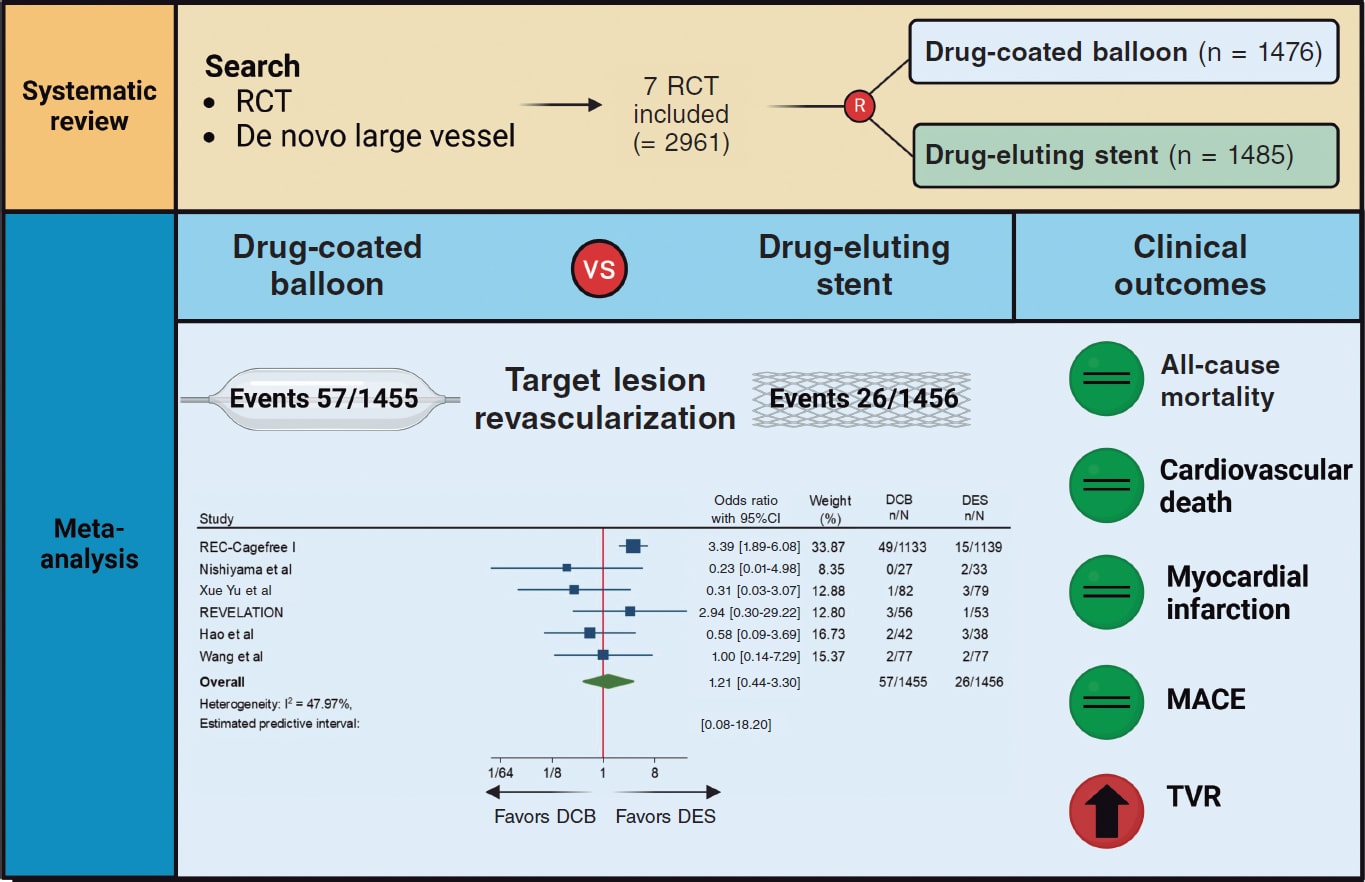
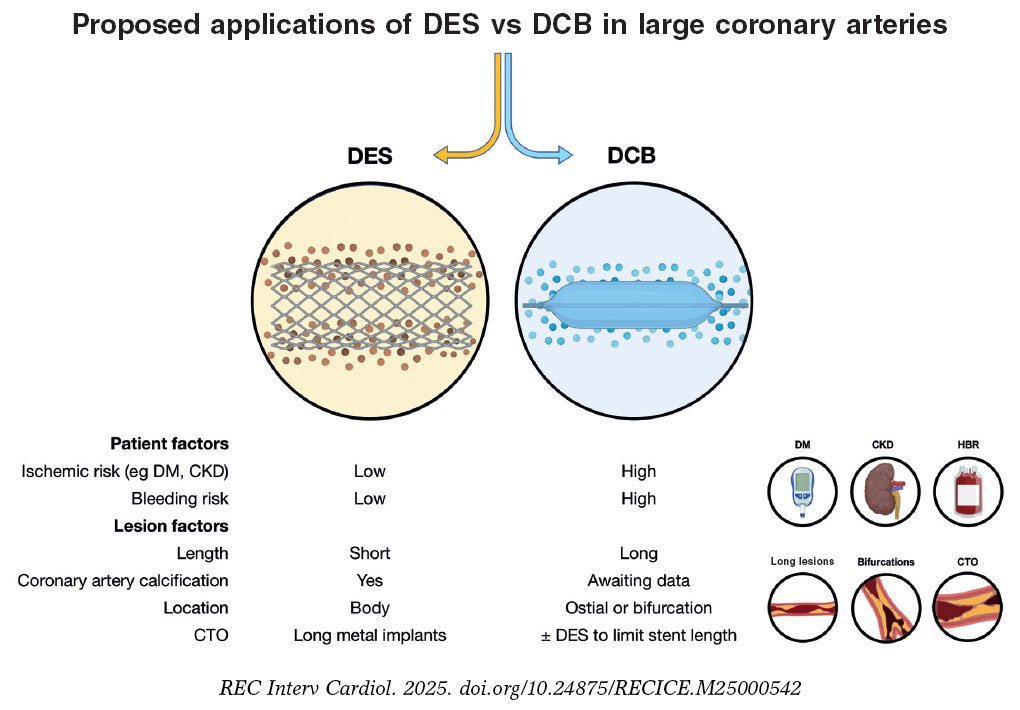
Expanding the role of drug-coated balloons in native large coronary artery disease
aDepartment of Biomedical Sciences, Humanitas University, Pieve Emanuele, Milan, Italy
bCardio Center, IRCCS Humanitas Research Hospital, Rozzano, Milan, Italy
cDivision of Cardiology, Montefiore Medical Center, Bronx, New York, United States
Original articles
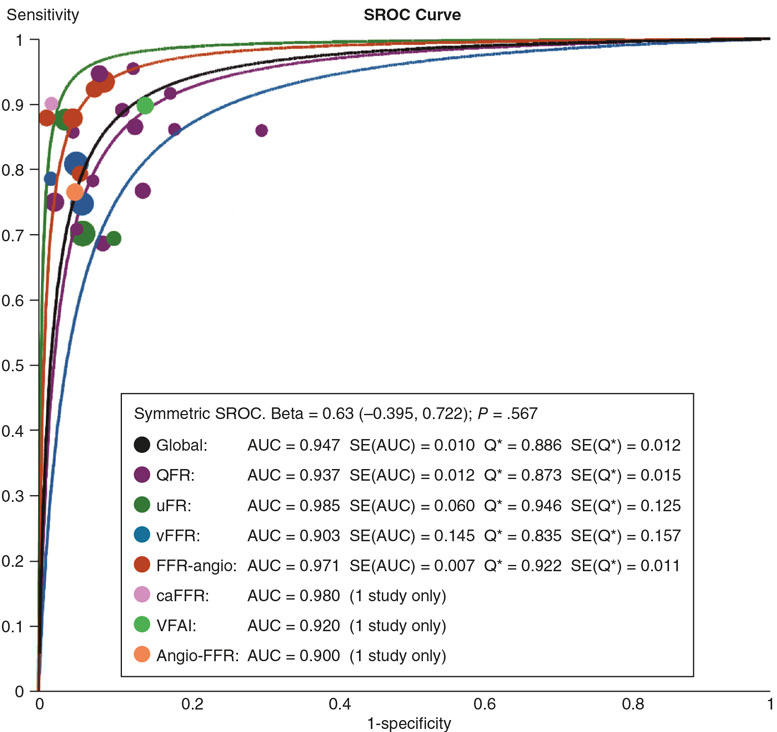
Editorials
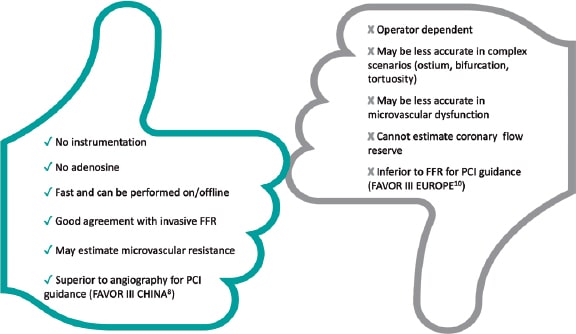
The role of angiography-derived physiological assessment techniques in the post-FAVOR III Europe era?
aServicio de Cardiología, Hospital General Universitario Gregorio Marañón, Instituto de Investigación Sanitaria Gregorio Marañón, Universidad Complutense de Madrid, Madrid, Spain
bCentro de Investigación Biomédica en Red de Enfermedades Cardiovasculares (CIBERCV), Instituto de Salud Carlos III, Madrid, Spain
Original articles
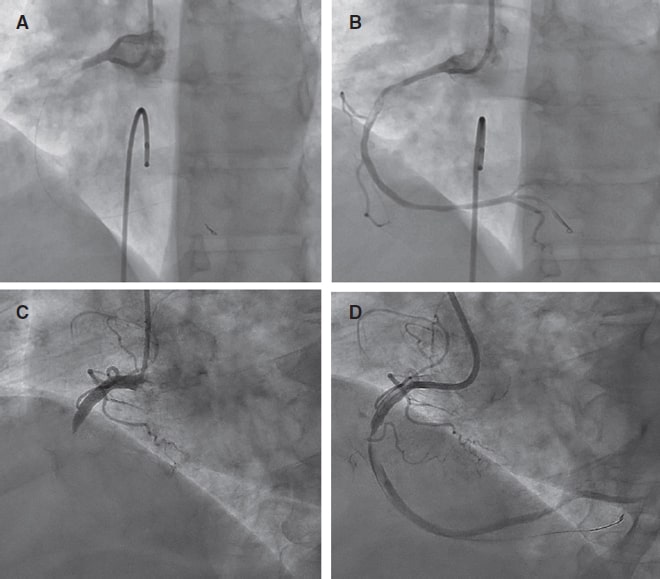
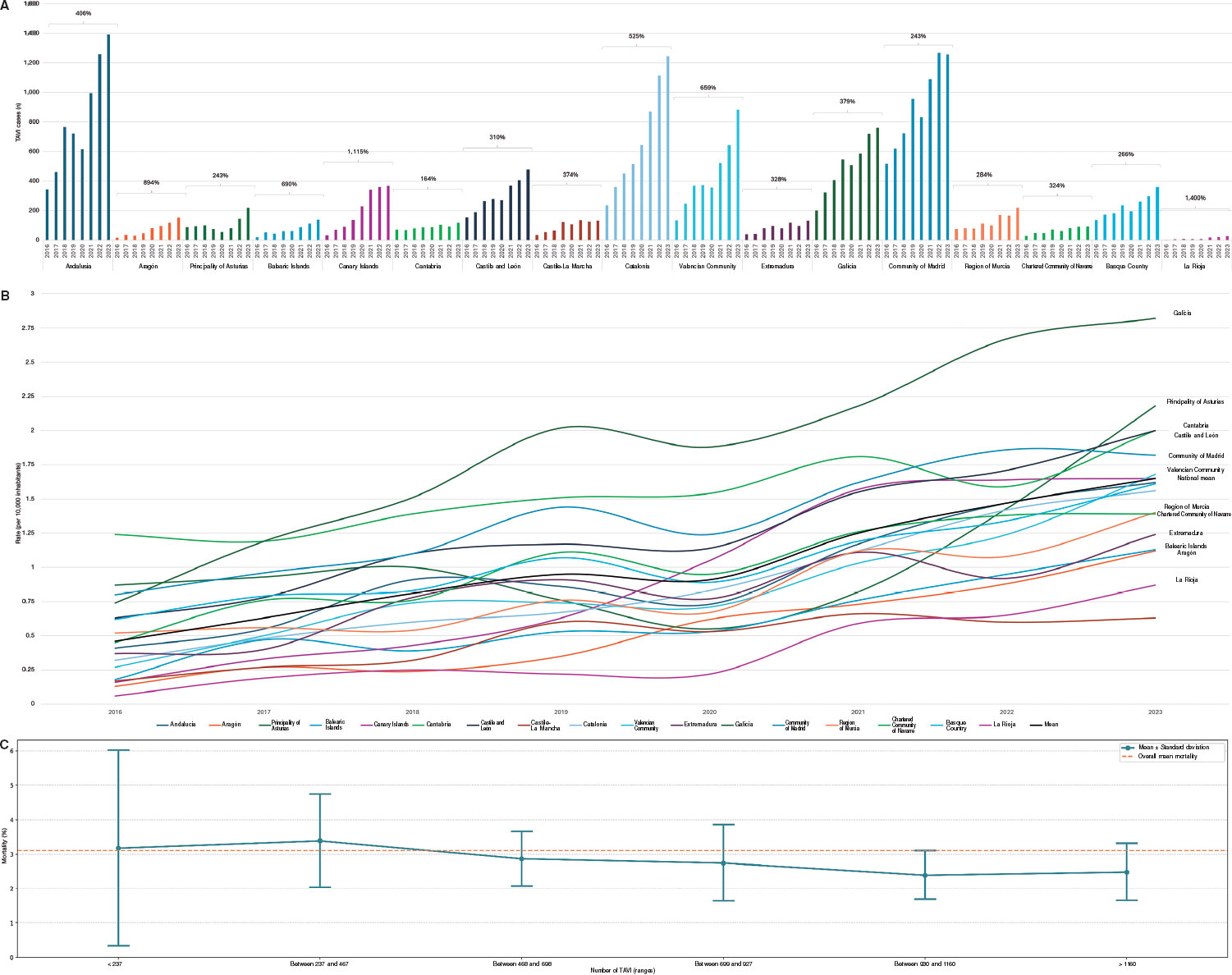
Review Articles
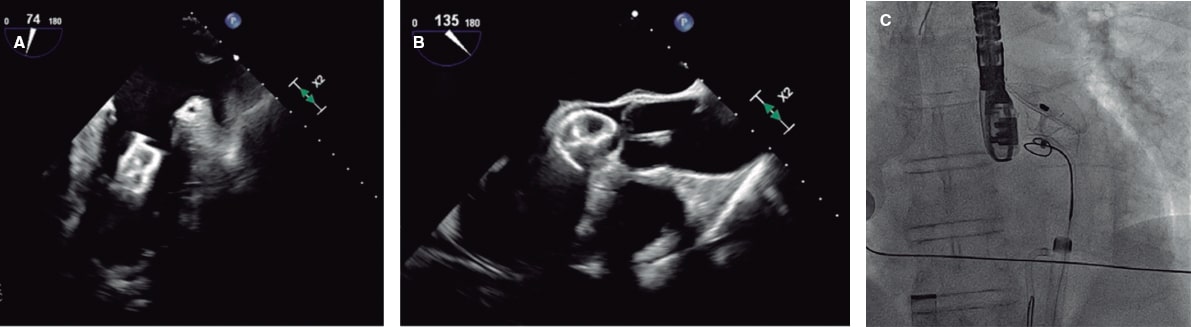
Interviews
An interview with Camino Bañuelos
aServicio de Cardiología, Hospital Clínico San Carlos, Instituto de Investigación Sanitaria del Hospital Clínico San Carlos (IdISSC), Madrid, Spain
bServicio de Cardiología, Hospital Clínico Universitario de Santiago de Compostela, Santiago de Compostela, A Coruña, Spain